







Features:
-
Category:
-
Posted at:
-
Author:
- Kim Wouters
-
BAUNAT Antwerp
-


-
Reading time:10 minutes
In this article:
Unveiling Natural Beauty: A Closer Look at the Bezel Setting
Choosing an engagement ring that embodies tradition? Consider the elegance of a bezel setting. This method, a mainstay of handcrafted jewellery, is a labour of love that enthralls with its blend of high-quality natural diamonds and personal touches. But you may be querying, "What exactly is a bezel setting?"
Read summary
What makes the bezel setting a timeless choice for diamond jewelry?
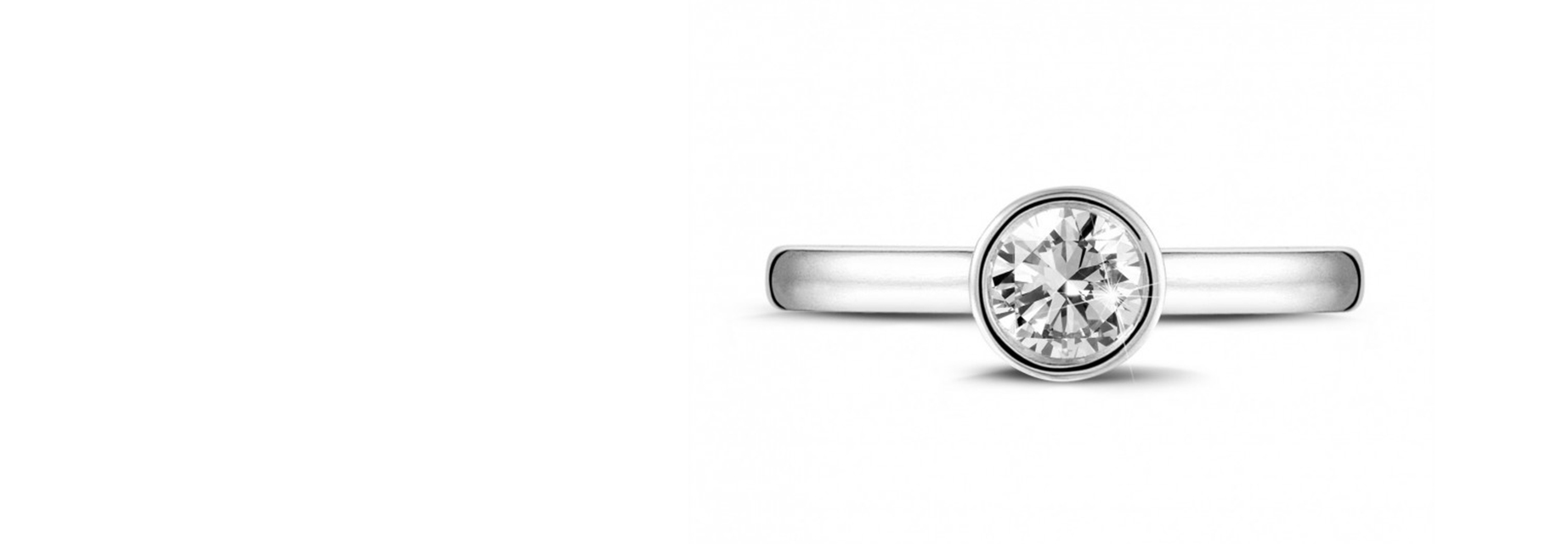
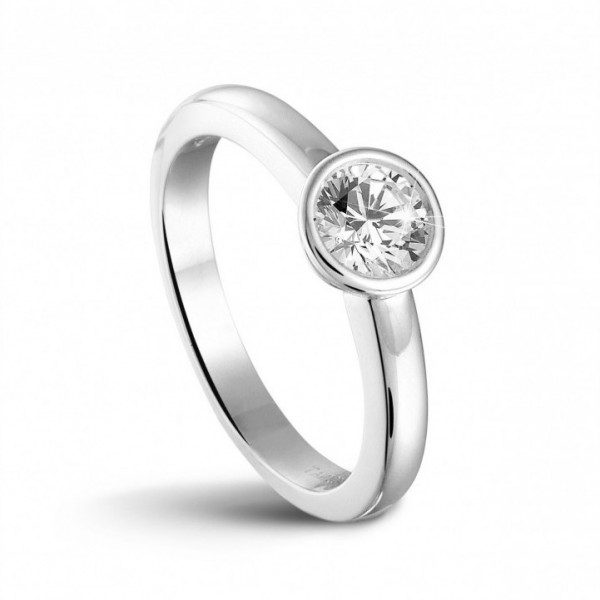
The bezel setting is a traditional technique where a precious metal rim completely encases a diamond, offering both elegance and protection. This handcrafted setting enhances the natural beauty of round and oval diamonds while safeguarding them against external damage. When crafted from white gold or platinum, the bezel creates an illusion of a larger diamond, with the metal's reflective surface amplifying the stone's brilliance.
Though the setting may reduce sideway light capture and add slight weight, its protective qualities make it ideal for everyday wear. Beyond engagement rings, the bezel setting's refined aesthetic extends to earrings and necklaces, where it minimizes damage risk while maximizing elegance. This versatile setting continues to gain popularity for its perfect balance of showcasing natural beauty while providing practical protection.
Most viewed diamond jewels
-
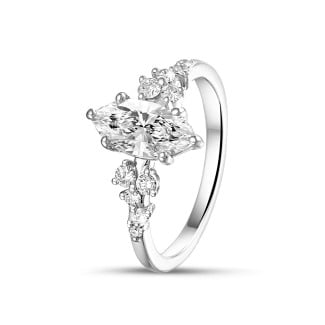
![1.00 carat solitaire cluster ring in white gold with marquise diamond]() BestsellerNew1.00 carat solitaire cluster ring in white gold with marquise diamondFrom USD 4.400,00 (excl. VAT)
BestsellerNew1.00 carat solitaire cluster ring in white gold with marquise diamondFrom USD 4.400,00 (excl. VAT) -
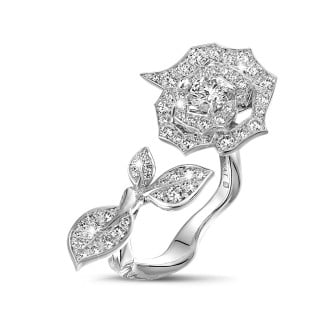
![0.95 carat diamond rose design ring in white gold]() NewPrincess Delphine0.95 carat diamond rose design ring in white goldFrom USD 16.000,00 (excl. VAT)
NewPrincess Delphine0.95 carat diamond rose design ring in white goldFrom USD 16.000,00 (excl. VAT) -
![1.00 carat solitaire ring with an asscher cut diamond in white gold]() Bestseller1.00 carat solitaire ring with an asscher cut diamond in white goldFrom USD 4.700,00 (excl. VAT)
Bestseller1.00 carat solitaire ring with an asscher cut diamond in white goldFrom USD 4.700,00 (excl. VAT) -
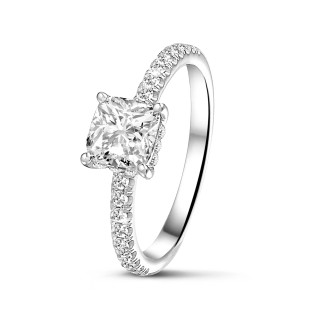
![1.00 carat solitaire ring with a cushion diamond and hidden halo in white gold]() BestsellerNew1.00 carat solitaire ring with a cushion diamond and hidden halo in white goldFrom USD 4.010,00 (excl. VAT)
BestsellerNew1.00 carat solitaire ring with a cushion diamond and hidden halo in white goldFrom USD 4.010,00 (excl. VAT) -
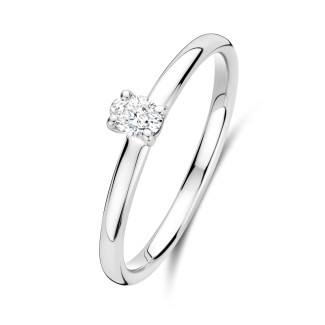
![0.15 carat solitaire ring with a oval cut diamond in white gold]() New0.15 carat solitaire ring with a oval cut diamond in white goldFrom USD 2.210,00 (excl. VAT)
New0.15 carat solitaire ring with a oval cut diamond in white goldFrom USD 2.210,00 (excl. VAT)

Understanding the Bezel Setting
Types of Bezel Settings (Full, Partial, Split, Flush & Fancy Variants)
Full (Fully Encircled) Bezel
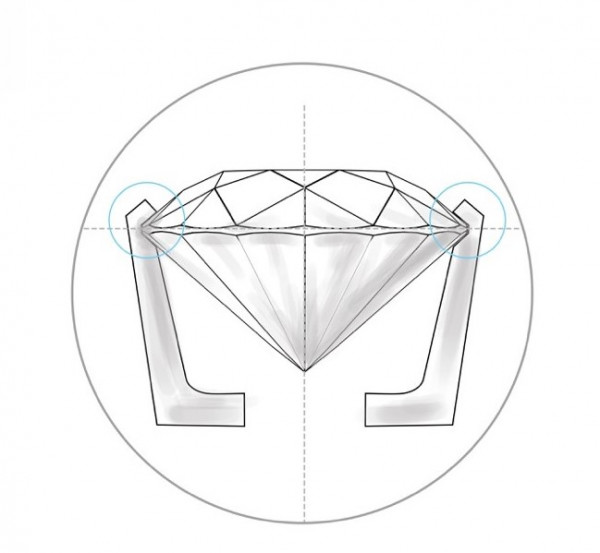
A full bezel wraps metal all the way around the stone’s girdle, creating a continuous rim. This gives the best resistance to snagging and protects the stone’s edges. Practical example: suited to everyday wearers - parents, medical professionals or anyone working with fabrics or equipment - because the chance of catching or chipping is low. Trade-offs: less side light reaches the pavilion than with exposed settings, but the rim can form a clear outline that often makes the stone look larger. Micro recommendation: choose full bezels for maximum protection and a smooth, modern silhouette.
Partial (Half) Bezel
A partial bezel covers only part of the stone’s perimeter, usually the sides or lower half, leaving more of the crown visible. Practical example: ideal if you want metal security but also more sparkle - good for high-set solitaires that prioritise brilliance while keeping some protection. Trade-offs: offers less protection than a full bezel but returns more side light. Micro recommendation: pick partial/high-set when you want extra light without giving up too much security.
Split Bezel
A split bezel separates the metal rim into two or more bands that frame the stone with open channels between them. The result is a lighter appearance and additional paths for light to enter. Practical example: chosen for contemporary or vintage-inspired designs where visual delicacy matters; works well with elongated cuts that benefit from framed lines. Trade-offs: moderate protection and can complicate stacking unless the wedding band is shaped to match. Micro recommendation: opt for split bezels when design finesse matters and you plan a tailored wedding band.
High-set versus Low-profile Bezel
High-set bezels lift the stone above the shank to allow more light and visibility; low-profile bezels sit closer to the finger for a snug fit. Practical example: high-set suits those who prioritise sparkle and presence; low-profile suits active lifestyles and anyone who prefers rings that do not snag. Trade-offs: higher settings expose the stone to more knocks; low profiles reduce light but increase comfort and safety. Micro recommendation: choose low-profile/flush for snag-free daily wear, high-set for maximum presence.
Flush / Rub-over Bezel
A flush or rub-over bezel sits with the stone slightly recessed into the metal, the rim gently pushed over the girdle for a near-seamless join. This gives a discreet, integrated look and excellent snag resistance. Practical example: common for signet-style or minimal pieces and for pavé accents where a low, secure profile is needed. Trade-offs: the most protected option but also the most limiting for light return. Micro recommendation: choose flush bezels when durability and a sleek appearance are priorities.
Fancy Bezel Treatments (Milgrain, Micropavé, Halo Accents)
Fancy bezels add decorative finishes such as milgrain edges, micropavé on the rim, or small side stones set into the bezel. Practical example: used for heirloom or bespoke pieces where ornamentation adds character and side-sparkle offsets the bezel’s tendency to block some light. Trade-offs: increases visual complexity and craft time but can boost perceived sparkle. Micro recommendation: pick fancy bezels to combine protection with decorative detail, especially for heirloom-worthy pieces.
How a Bezel Is Made — The Basics
The bezel strip is cut and soldered to the shank or setting base, leaving a clean rim. The stone is placed into its seat and the metal is burnished or pushed over the girdle with specialised tools until the rim holds the stone firmly. For faceted gems the bezel is formed so the crown stays visible; for cabochons the bezel often rises slightly to cradle the curved surface.
Flush or rub-over bezels differ because the stone sits partially recessed and the metal is pushed over the girdle to create a near-seamless join. This requires tight tolerances and careful burnishing to avoid pressure points that could stress the stone.
Construction choices affect how the ring performs: a higher, partial bezel improves light return but needs careful seating; a fully recessed flush bezel gives superior snag resistance but reduces the exposed crown. These decisions also influence how the piece is polished or checked professionally; sturdy bezels are easier to tidy without disturbing the stone, while very delicate decorative bezels need specialist attention during maintenance.
Balancing the Pros and Cons of a Bezel Setting
Diversifying with a Bezel-Set Diamond Ring
Caring for Your Bezel Ring
Who Should Choose a Bezel? Lifestyle & Stacking Considerations
Bezel settings suit people whose lifestyle involves frequent hand use: healthcare workers, chefs, parents of young children, and anyone who prefers non-snagging jewellery. Because bezels protect the stone’s edges, they lower the chance of chipping compared with exposed settings.
For stacking, low-profile and flush bezels stack most cleanly with standard wedding bands. Partial or split bezels, and those with higher crowns or decorative flanks, may need a contoured or custom wedding band to sit flush. If you plan to stack, mention band preferences during the design process so we can adjust bezel height and shank shape for a seamless pairing.
Exploring Other Options
- The Claw Setting
- The Pavé Setting
- The Channel Setting
- The Tension Setting
- The Cathedral Setting
Do not hesitate to contact us if you have any questions or need guidance.
-
Kim Wouters
-
BAUNAT Antwerp
-
-
Kim, BAUNAT-certified is quite the Jill of all trades. After being submerged into all aspects of the brand, and being responsible for customer success, order & sales, office management, product management, she has become an expert in everything diamond and jewellery related. Apart from this product expertise, Kim’s master’s degree in communications makes her an excellent Diamond Jewellery Advisor to help you discover your personal taste and make sure all your expectations are exceeded.
Kim, BAUNAT-certified is quite the Jill of all trades. After being submerged into all aspects of the brand, and being responsible for customer success, order & sales, office management, product management, she has become an expert in everything diamond and jewellery related. Apart from this product expertise, Kim’s master’s degree in communications makes her an excellent Diamond Jewellery Advisor to help you discover your personal taste and make sure all your expectations are exceeded.