







Features:
-
Posted at:
-
Author:
- An Van Puyvelde
-
An Van Puyvelde - Order & Administration Manager
-


-
Reading time:11 minutes
In this article:
Navigating Nuptials: Your Ultimate Guide to Wedding Planning
At BAUNAT, we understand that planning a wedding is as multifaceted as the diamonds we craft. This blog aims to provide you with an insightful guide on an array of wedding planning aspects, tailored to meet the desires of the smart luxury consumer.
From setting a budget that takes into account the diamond prices evolution, to choosing the optimal season to say your vows, we cover it all. With BAUNAT, quality and efficiency are not just words, but principles we live by. Therefore, our guide presents you with an overview of venue selection, theme earmarking, guest list compilation, menu finalization, and choosing a photographer to capture every brilliant moment.
Undoubtedly, jewelry selection plays a crucial role in the process – particularly when it comes to wedding rings, and we, as Industry Experts BAUNAT, provide exhaustive insights into this diamond market. Our blog post incorporates useful tips on how to select fitting accessories, choose your sparkling wedding rings, and even plan for an unforgettable honeymoon. To ensure longevity, we've included guidelines on maintaining and preserving the innate sparkle of your diamond wedding rings.
Read summary
How can you plan a perfect wedding with smart diamond investments?
Planning a wedding involves countless decisions, from budget-setting and venue selection to choosing the perfect jewelry. As diamond experts, BAUNAT recommends approaching wedding planning with the same strategic thinking as investing in quality diamonds. Consider seasonal timing, create a focused guest list, and select themes that reflect your personal style.
While managing essentials like photographers and menus, remember that wedding rings deserve special attention—they're both emotional symbols and potential investments affected by diamond price evolution. Modern couples can streamline planning using digital tools like wedding apps, Pinterest, and Instagram for inspiration.
For a truly memorable celebration, balance professional assistance with personal touches, ensuring your wedding day sparkles as brilliantly as a well-chosen diamond—a beautiful beginning that also represents smart luxury investment.

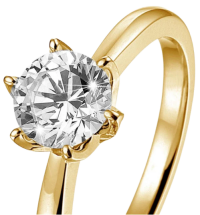
5 Questions to Find Her Perfect Engagement Ring
Are you planning to propose? Finding the right engagement ring is a defining step. Every ring is handcrafted in Antwerp from the finest materials by skilled artisans. Discover what engagement ring fits her personality.
Most viewed diamond jewels
-
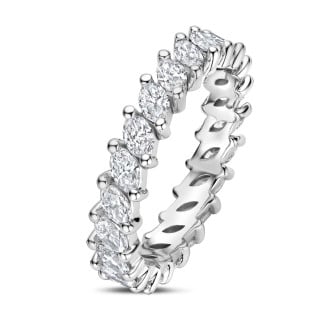
![1.75 carat full-set eternity ring with marquise cut diamonds in white gold]() Bestseller1.75 carat full-set eternity ring with marquise cut diamonds in white goldFrom USD 7.220,00 (excl. VAT)
Bestseller1.75 carat full-set eternity ring with marquise cut diamonds in white goldFrom USD 7.220,00 (excl. VAT) -
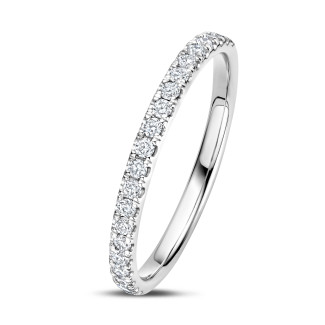
![0.26 carat half-set eternity ring in white gold - matches with all rings from the Fancy Shapes collection]() Bestseller0.26 carat half-set eternity ring in white gold - matches with all rings from the Fancy Shapes collectionFrom USD 2.760,00 (excl. VAT)
Bestseller0.26 carat half-set eternity ring in white gold - matches with all rings from the Fancy Shapes collectionFrom USD 2.760,00 (excl. VAT) -
![0.90 carat eternity ring (full set) in white gold with princess diamonds]() Bestseller0.90 carat eternity ring (full set) in white gold with princess diamondsFrom USD 3.770,00 (excl. VAT)
Bestseller0.90 carat eternity ring (full set) in white gold with princess diamondsFrom USD 3.770,00 (excl. VAT) -
![Stackable beaded ring in white gold]() Stackable beaded ring in white goldFrom USD 1.660,00 (excl. VAT)
Stackable beaded ring in white goldFrom USD 1.660,00 (excl. VAT) -
![0.22 carat half-set eternity ring in white gold - matches with specific rings from the BAUNAT Iconic collection]() Bestseller0.22 carat half-set eternity ring in white gold - matches with specific rings from the BAUNAT Iconic collectionFrom USD 3.050,00 (excl. VAT)
Bestseller0.22 carat half-set eternity ring in white gold - matches with specific rings from the BAUNAT Iconic collectionFrom USD 3.050,00 (excl. VAT)


Budgeting & Quick Ring Decision Flow
Budgeting: concrete guidance and a sample breakdown
Set priorities first. Decide what matters most - venue ambience, culinary experience or photography - and allocate a larger share of your budget there. Below is a practical percentage-based breakdown you can use as a starting point for a typical wedding budget.Sample budget breakdown for planning clarity
- Venue and rentals: 35% - includes ceremony and reception spaces, seating, tables and basic rentals.
- Food and beverage: 25% - per-guest catering and bar service. Negotiate menu tiers and be clear on service fees.
- Photography & videography: 12% - secure an experienced team and clarify rights and deliverables in writing.
- Flowers & décor: 9% - set a floral palette and concentrate blooms on focal points (altar, tables, bouquet).
- Attire & accessories: 6% - include fittings and alterations; allocate a modest fund for jewellery and accessories.
- Entertainment: 5% - DJ or small band; confirm sound requirements with the venue.
- Rings & jewellery: 6% - prioritise durable metals (18Kt or higher) and diamond quality at or above Baunat’s recommended thresholds.
- Contingency: 7% - reserve for unexpected upgrades or fees.
Budget example: 100 guests
- Use the percentage framework to calculate allocations from your total spend. List each vendor, agreed deliverables, deposit % and payment dates in a single spreadsheet to avoid surprises.
Quick ring decision flow
Question 1: What is her everyday style? If she prefers classic, timeless pieces, consider a solitaire or a simple halo. If she favors contemporary looks, a three-stone or pavé style may suit.Question 2: How active is her lifestyle? For everyday wear choose secure settings and robust metals, prioritising 18Kt or higher. Avoid tension settings for engagement rings due to long-term risk of stone loosening.
Question 3: Does she prefer a statement or subtle sparkle? For strong sparkle with longevity, Baunat recommends diamonds at or above SI1 clarity and colour at or above H.
Question 4: Would she appreciate ethical sourcing and certification? If so, request full certification and documentation from the jeweller and confirm origin and craftsmanship details.
Question 5: What is the desired ring profile and fit? Measure ring size carefully, account for seasonality in finger size and plan for a professional resizing if needed.
Practical next steps when visiting a jeweller
- Ask to see diamonds near your preferred carat weight and clarity to compare appearance. Request certifications and loupe images.
- Confirm metal options; choose 18Kt or higher for durability and patina stability.
- Discuss setting security and maintenance recommendations; avoid tension settings for everyday rings.
- Agree on lead times, required deposits and insurance recommendations. Record each vendor’s payment schedule and any resizing or warranty terms.
This structured approach turns the five questions into a short decision flow that helps you move from uncertainty to confident choices while keeping Baunat’s quality recommendations in mind.
Wedding planning tools
Real Planning Examples
Case study 1 - Intimate city celebration (50 guests)
This couple chose a refined city hotel for an evening reception focused on exceptional dining and photography. Constraint: limited guest list and high priority on culinary experience. Key vendor choices: a chef-driven caterer with a streamlined menu, a two-person photography team for candid coverage, and a small acoustic trio for background music. Timeline highlights: venue booked 11 months out, photographer confirmed at 10 months, invitations sent at 3 months. Budget emphasis: 40% on venue and food, 12% on photography, 6% reserved for rings and jewellery. Planning tip: concentrate spending on the guest experience and invest early in a photographer who understands low-light, intimate settings.Case study 2 - Country estate weekend (120 guests)
A weekend destination on a country estate prioritised atmosphere and guest experience across two days. Constraint: coordination of multiple vendors across the estate. Key vendor choices: a coordinator experienced with estate logistics, a tented caterer capable of plated and buffet service, and a florist who scaled arrangements across multiple spaces. Timeline highlights: venue secured at 14 months, weekend schedule confirmed at 8 months, vendor walk-through 6 weeks prior. Budget emphasis: 30% venue and rentals, 28% catering, 10% décor and florals, 8% rings and bridal jewellery. Planning tip: schedule a full-site rehearsal and confirm power, heating/cooling and restroom logistics well in advance.Case study 3 - Coastal micro-wedding (30 guests)
A sunrise ceremony on the coast followed by a brunch reception prioritised atmosphere and minimal décor. Constraint: outdoor location with seasonal weather considerations. Key vendor choices: photographer experienced in natural light, a small catering team focused on seasonal produce, and a florist using locally available blooms. Timeline highlights: date chosen 9 months out to match season, permits secured 4 months ahead, final confirmations 3 weeks prior. Budget emphasis: 35% venue/permits and rentals, 25% catering, 7% photography, 5% rings and jewellery. Planning tip: prepare contingency plans for weather and confirm transportation and guest shelter options on the day.Each example shows how priorities shape vendor selection, timeline pacing and budget distribution. Use these applied cases to envision which trade-offs you are comfortable making and to adapt your own planning toolkit accordingly.
Planning Toolkit: Checklist, Budget & Timeline
Copy this checklist and adapt it to your needs.
Full wedding checklist by timeline
18–12 months
- Finalise guest list and create contact list for invitations, family and VIPs. Vendor placeholder: vendor name, due date, deposit %.
- Book venue and secure date with deposit. Ask about onsite restrictions and vendor flexibility.
- Choose your wedding style and mood board (use photos from ceremonies and jewellery that inspire you).
- Reserve photographer and videographer; agree on key deliverables and image rights.
- Compile shortlist for catering and request menu tastings.
- Start shopping for wedding attire; schedule fittings and note lead times.
9–6 months
- Send save-the-dates and begin assembling invitations.
- Confirm major vendors: caterer, florist, entertainment. Record payment schedule and cancellation policies.
- Order bridal and groom rings; finalise metal choice (18Kt or higher recommended) and sizing.
- Book transportation and accommodation blocks for guests.
- Draft ceremony and reception timelines with planner or coordinator.
3 months
- Mail formal invitations, collect RSVPs and update guest list.
- Finalise seating plan and dietary requirements.
- Confirm vendor arrival times, setup needs and contact persons.
- Begin final fittings for attire and confirm accessories, including wedding rings for wear on the day.
1 month
- Reconfirm final headcount with caterer and venue; provide dietary notes.
- Create a day-of schedule for vendors and wedding party; share contact sheet.
- Pack essentials kit: extra jewellery cleaning cloth, sewing kit, spare buttons, and ring box.
Week of the wedding
- Confirm delivery and setup windows with all vendors; verify key contact numbers.
- Complete final dress rehearsal and appoint attendants for small tasks (ring bearer, speeches cue).
- Ensure wedding rings are secured in a specified safe place and assigned to a responsible person for the ceremony
Major line items with suggested percentage ranges of the total wedding budget
- Venue (including ceremony and reception): 30–40%
- Catering and beverages: 20–30%
- Attire and accessories (bride and groom): 5–10%
- Photography and videography: 10–15%
- Flowers and décor: 8–12%
- Entertainment (DJ/band): 3–7%
- Wedding rings and bridal jewellery: 3–8%
- Stationery and invitations: 1–3%
- Transportation and accommodation for guests (if applicable): 2–6%
- Contingency fund (unexpected costs): 5–10%
Two example budgets (percentage-based examples readers can scale)
- Small wedding (≈50 guests): Allocate more to per-guest items. Example proportions: Venue 35%, Catering 30%, Photography 12%, Flowers 8%, Attire 6%, Rings & jewellery 4%, Entertainment 3%, Contingency 6%.
- Medium wedding (≈120 guests): Per-guest costs rise; example proportions: Venue 30%, Catering 25%, Photography 13%, Flowers 10%, Attire 6%, Rings & jewellery 5%, Entertainment 5%, Contingency 6%.
Notes on budgeting
- Record each vendor’s payment schedule and expected deliverables. Use the percentage ranges to allocate your total budget and adjust according to priorities. For jewellery and rings, prioritise 18Kt metals and diamond quality at or above Baunat’s recommended thresholds.
Copyable 12-month sample timeline (adaptable)
- 12 months: Choose date, secure venue, book photographer, begin guest list, launch mood board.
- 10 months: Book caterer, florist, entertainment; start dress shopping; compile vendor contracts.
- 8 months: Order wedding rings; reserve accommodation blocks; schedule engagement portrait session.
- 6 months: Send save-the-dates; finalise menu options and rental needs; book transport.
- 4 months: Mail invitations; confirm attire fittings; finalise readings and ceremony script.
- 2 months: Confirm seating plan; pay remaining deposits; finalise hair and make-up trials.
- 1 month: Reconfirm all timings with vendors; final RSVP tally; final dress fitting.
- Week of: Vendor confirmations, rehearsal, pack essentials and jewellery, appoint ring custodian.
Each line above can be adapted with vendor name, due date and deposit percentage. Use this as a practical spine for your planning and update it as vendors confirm details.
As we conclude, remember that with each key decision, the dialogue goes back to the diamond price evolution, and here at BAUNAT, we believe in making every diamond purchase a smart investment. Trust in Industry Expert BAUNAT to guide you through your journey in the Diamond Market and beyond. With this updated information, your wedding planning guide stands as a contemporary, comprehensive piece, exquisitely crafted just like our diamonds.