







The symbolism of jewellery in Ancient Egypt
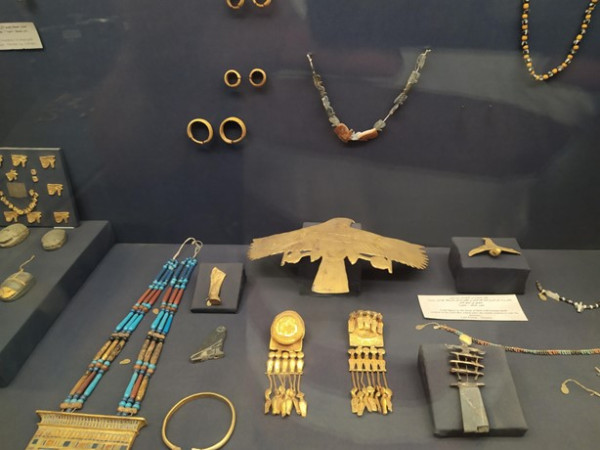
Egypt is considered to be one of the dominant civilisations in ancient history. Egyptians were surrounded by riches through their direct access to gemstones and other precious materials that could be found in all of Egypt. They were also very advanced in their use of technology and very quickly became the leading civilization in creating and crafting many different types of jewellery. Jewellery was worn by ancient Egyptians for various reasons, the main ones being status, protection and aesthetics.
Read summary
What role did jewelry play in Ancient Egyptian culture?
Ancient Egyptians valued jewelry for status, protection, and beauty. Gold was considered divine, representing the "flesh of the gods" and offering eternal protection. While all social classes wore jewelry, materials varied according to wealth—gold for the elite, copper for commoners.
Jewelry served as protective amulets, with designs featuring deities like the Evil-repelling Eye of Horus, or gemstones like lapis lazuli symbolizing truth and wisdom. Beyond these practical purposes, aesthetic appeal remained essential.
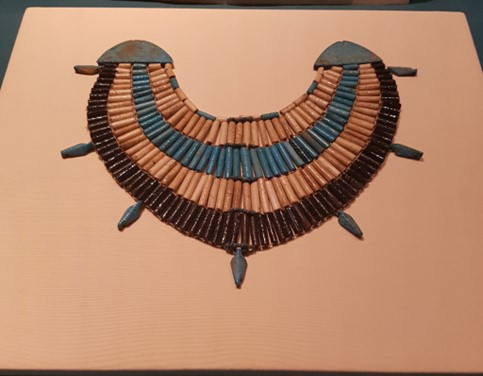
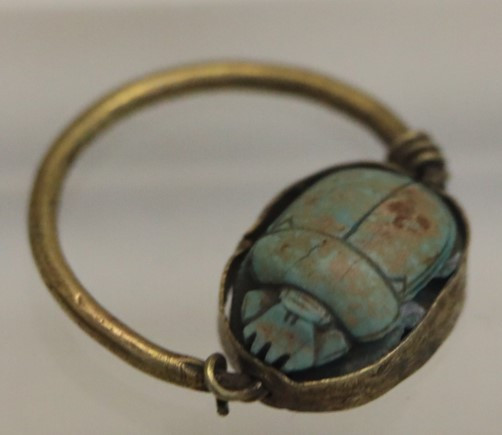
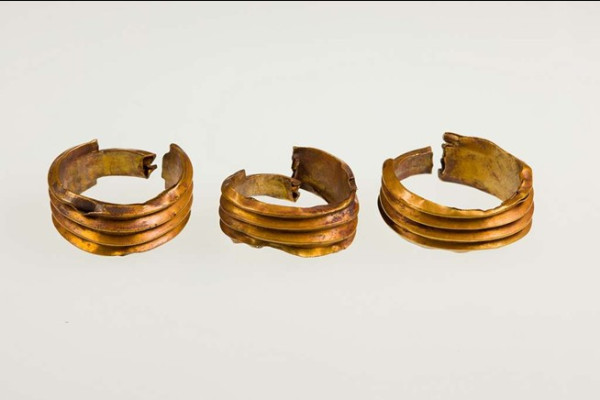
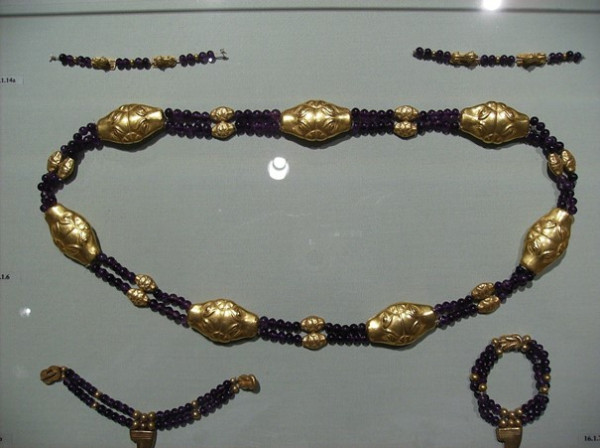
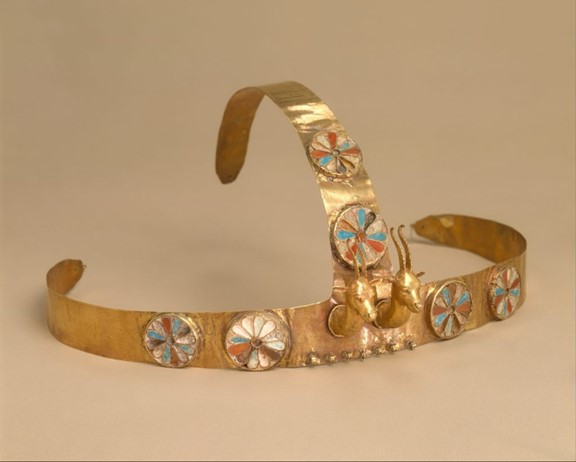
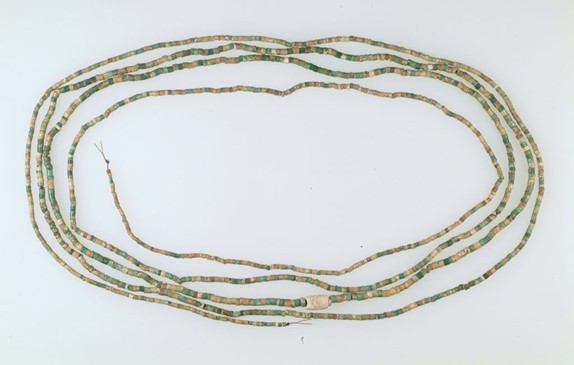
The ancient Egyptians crafted diverse jewelry types: wesekh collars (ceremonial neck pieces), bracelets, rings, earrings, anklets, and royal headpieces. These items demonstrated remarkable craftsmanship, incorporating gold, silver, semi-precious stones, and faience according to the wearer's social standing, creating a rich tradition of adornment that expressed identity and belief.
Most viewed diamond jewels
-
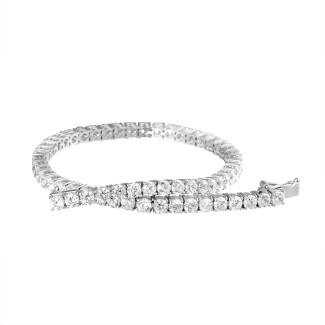
![3.50 carat diamond tennis bracelet in white gold]() Bestseller3.50 carat diamond tennis bracelet in white goldFrom USD 6.270,00 (excl. VAT)
Bestseller3.50 carat diamond tennis bracelet in white goldFrom USD 6.270,00 (excl. VAT) -
![0.70 carat diamond satellite bracelet in white gold]() Bestseller0.70 carat diamond satellite bracelet in white goldFrom USD 2.520,00 (excl. VAT)
Bestseller0.70 carat diamond satellite bracelet in white goldFrom USD 2.520,00 (excl. VAT) -
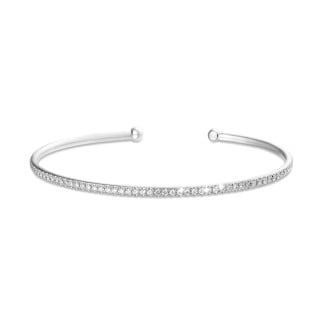
![0.75 carat diamond bangle in white gold]() Bestseller0.75 carat diamond bangle in white goldFrom USD 6.560,00 (excl. VAT)
Bestseller0.75 carat diamond bangle in white goldFrom USD 6.560,00 (excl. VAT) -
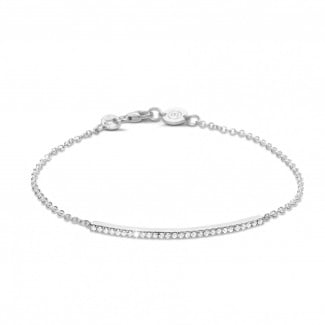
![0.25 carat fine diamond bracelet in white gold]() Bestseller0.25 carat fine diamond bracelet in white goldFrom USD 2.800,00 (excl. VAT)
Bestseller0.25 carat fine diamond bracelet in white goldFrom USD 2.800,00 (excl. VAT) -
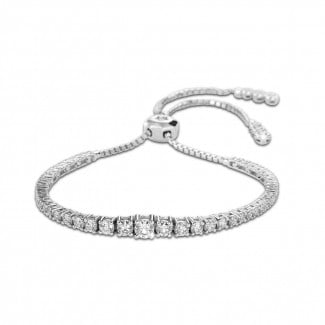
![1.50 carat diamond gradient bracelet in white gold]() Bestseller1.50 carat diamond gradient bracelet in white goldFrom USD 7.100,00 (excl. VAT)
Bestseller1.50 carat diamond gradient bracelet in white goldFrom USD 7.100,00 (excl. VAT)

.
What was gold jewellery in Egypt worn for?
A symbol of social status
Amulets of protection
These powers were attributed to the amulets either through the design itself, for instance if the amulet was a figurine of a deity then that deity provided the wearer with those powers. A famous figurine is the Eye of Horus that repelled evil.
Or, there were also particular powers that were given through the use of specific gemstones. Lapis-lazuli was one of their favourite gemstones because it was the ultimate symbol of truth, wisdom and royalty with its deep blue colour. It was either used as an amulet or directly set in gold bracelets and other pieces of jewellery.
Aesthetic mastery
What types of jewellery did they wear?
Necklaces and collars (Wesekh)
The wesekh collar was one of the most iconic forms of Egyptian jewellery, worn by both men and women. These large, flat collars were made of gold, semi-precious stones, faience, and glass beads, arranged in rows or layers. They often featured intricate designs and were draped around the neck and shoulders, symbolising wealth, divine power, and protection. The pharaohs and elite members of society frequently wore these collars during ceremonies or religious rituals.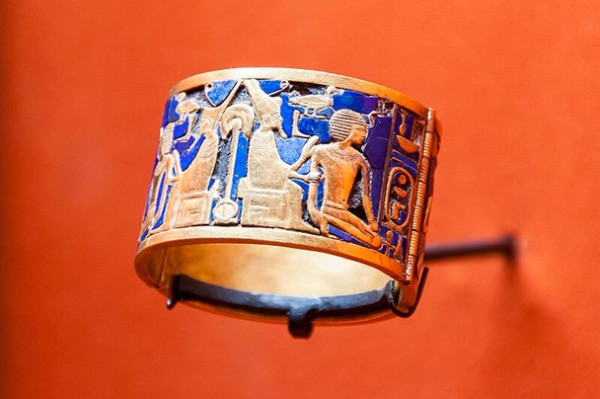
Bracelets and armlets
Rings
Earrings
Anklets
Headpieces and diadems
Belts
Discover the art of fine jewellery with BAUNAT
Discover your own story with BAUNAT's exquisite collection of fine jewellery that embodies elegance and craftsmanship. Explore now!
-
Fabienne Rauw
-
BAUNAT Antwerp
-


-
Fabienne, manager of the German market is able to guide every client with finding the right jewel. She takes care of most of the German orders, but also takes other task on her plate. Thanks to her six years of experience at BAUNAT she acquainted well with the product and the marketing around it. Her degree in PR ensures that BAUNAT is well presented across all media channels. For anyone looking into a new investment opportunity, Fabienne is the perfect guide in this process. No question will be left unanswered, and she will help you every step of the way.
Selected Bespoke Projects
• Eternal Bloom bespoke engagement concept - Role: project lead for client briefing and prototype coordination. Fabienne translated personal design references into a 3D-printed prototype, supervised stone selection and ensured the finished piece matched the client’s vision and comfort preferences.
• Personalized anniversary necklace - Role: design coordinator and quality overseer. She managed the custom design process from the initial sketch to final polishing, liaising between client and workshop to preserve proportions and finish.
• Reimagined heirloom ring restoration and redesign - Role: client consultant and technical coordinator. Fabienne guided the client through options to modernize setting details while keeping sentimental elements, delivering a wearable result that respected the original piece.
Her hands-on involvement in bespoke commissions ensures each custom order has a clear brief, careful prototype review and close follow-up with the workshop, so clients receive a tailored jewel that meets both aesthetic and practical expectations.
Professional enquiries
For speaking engagements, press requests or research collaborations, please send your message to BAUNAT’s communications team with the subject line: "Fabienne Rauw - Professional Enquiry." Include a brief description of the request and any relevant dates or documents. The communications team will route enquiries to Fabienne and provide guidance on next steps.
Fabienne, manager of the German market is able to guide every client with finding the right jewel. She takes care of most of the German orders, but also takes other task on her plate. Thanks to her six years of experience at BAUNAT she acquainted well with the product and the marketing around it. Her degree in PR ensures that BAUNAT is well presented across all media channels. For anyone looking into a new investment opportunity, Fabienne is the perfect guide in this process. No question will be left unanswered, and she will help you every step of the way.
Selected Bespoke Projects
• Eternal Bloom bespoke engagement concept - Role: project lead for client briefing and prototype coordination. Fabienne translated personal design references into a 3D-printed prototype, supervised stone selection and ensured the finished piece matched the client’s vision and comfort preferences.
• Personalized anniversary necklace - Role: design coordinator and quality overseer. She managed the custom design process from the initial sketch to final polishing, liaising between client and workshop to preserve proportions and finish.
• Reimagined heirloom ring restoration and redesign - Role: client consultant and technical coordinator. Fabienne guided the client through options to modernize setting details while keeping sentimental elements, delivering a wearable result that respected the original piece.
Her hands-on involvement in bespoke commissions ensures each custom order has a clear brief, careful prototype review and close follow-up with the workshop, so clients receive a tailored jewel that meets both aesthetic and practical expectations.
Professional enquiries
For speaking engagements, press requests or research collaborations, please send your message to BAUNAT’s communications team with the subject line: "Fabienne Rauw - Professional Enquiry." Include a brief description of the request and any relevant dates or documents. The communications team will route enquiries to Fabienne and provide guidance on next steps.