







Features:
-
Category:
-
Posted at:
-
Author:
- Sofie Kuppens
-
BAUNAT Antwerp
-


-
Reading time:15 minutes
In this article:
- What do I need to know about gold?
- Where does gold come from?
- What do I need to know about platinum?
- What do I need to know about silver?
- Which lesser known types of precious metals are also fascinating?
- Understanding purity and marks
- What is palladium?
- Price, Rarity and Market Context
- How are precious metals classified?
- Which type of gold am I choosing? Or will I go for platinum?
- Bullion, coins and investment considerations
What types of precious metals are there?
Chemically seen, a precious metal is a naturally occurring metal that hardly reacts with other substances. For example, precious metals do not rust and are highly resistant to some acids – although we strongly advise you not to test this at home with our gold rings, for instance. In pure form, many types of precious metals are also quite soft, almost pliable, and they have a distinctive lustre.
What do you need to know about gold, silver, platinum and some other lesser known precious metals? Which precious metal is perfect for you and your budget? Prices may vary quite a bit per precious metal. Discover everything about 8 precious metals right here. Some are frequently used by jewellery makers, others are not.
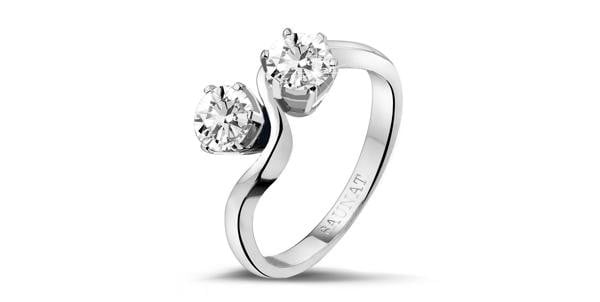
Please browse our range of engagement rings in precious metals
Read summary
Which precious metals are used in jewelry and what makes them special?
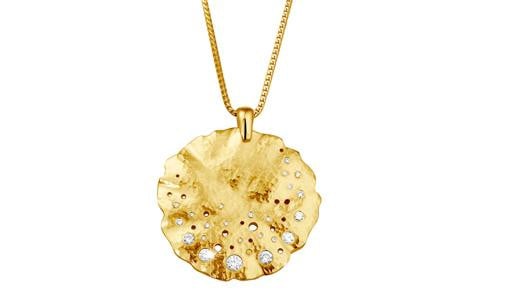
Precious metals are naturally occurring elements that resist chemical reactions, maintaining their luster without rusting or discoloring. Gold, the most recognized, has a distinctive yellow color but is too soft for jewelry in its pure form, requiring alloys with other metals to create varieties like yellow, white, and red gold.
Platinum, once considered an unwanted contaminant, is now prized for its durability and stability, though it's more expensive than gold due to its rarity and difficult processing. Silver, popular for decorative items and jewelry, oxidizes quickly but can be polished to restore its shine.
Lesser-known precious metals include rhodium (used for plating white gold), palladium (found in white gold alloys), and ruthenium (added to strengthen platinum). Each metal is classified by its resistance to oxidation and reactivity level, with some better suited for jewelry than others.
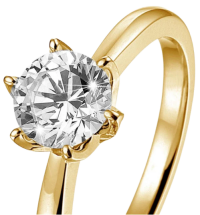
5 Questions to Find Her Perfect Engagement Ring
Are you planning to propose? Finding the right engagement ring is a defining step. Every ring is handcrafted in Antwerp from the finest materials by skilled artisans. Discover what engagement ring fits her personality.
Most viewed diamond jewels
-
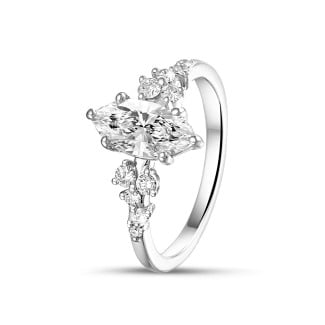
![1.00 carat solitaire cluster ring in white gold with marquise diamond]() BestsellerNew1.00 carat solitaire cluster ring in white gold with marquise diamondFrom USD 4.400,00 (excl. VAT)
BestsellerNew1.00 carat solitaire cluster ring in white gold with marquise diamondFrom USD 4.400,00 (excl. VAT) -
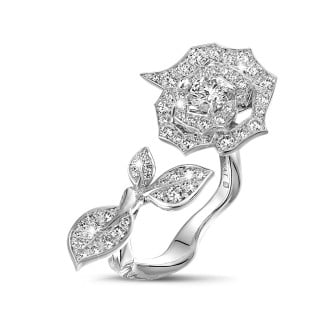
![0.95 carat diamond rose design ring in white gold]() NewPrincess Delphine0.95 carat diamond rose design ring in white goldFrom USD 16.000,00 (excl. VAT)
NewPrincess Delphine0.95 carat diamond rose design ring in white goldFrom USD 16.000,00 (excl. VAT) -
![1.00 carat solitaire ring with an asscher cut diamond in white gold]() Bestseller1.00 carat solitaire ring with an asscher cut diamond in white goldFrom USD 4.700,00 (excl. VAT)
Bestseller1.00 carat solitaire ring with an asscher cut diamond in white goldFrom USD 4.700,00 (excl. VAT) -
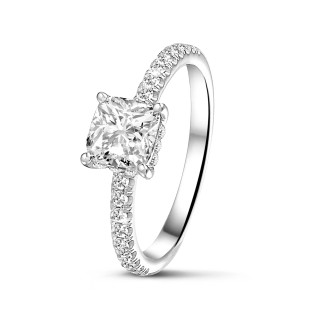
![1.00 carat solitaire ring with a cushion diamond and hidden halo in white gold]() BestsellerNew1.00 carat solitaire ring with a cushion diamond and hidden halo in white goldFrom USD 4.010,00 (excl. VAT)
BestsellerNew1.00 carat solitaire ring with a cushion diamond and hidden halo in white goldFrom USD 4.010,00 (excl. VAT) -
![0.15 carat solitaire ring with a oval cut diamond in white gold]() New0.15 carat solitaire ring with a oval cut diamond in white goldFrom USD 2.210,00 (excl. VAT)
New0.15 carat solitaire ring with a oval cut diamond in white goldFrom USD 2.210,00 (excl. VAT)

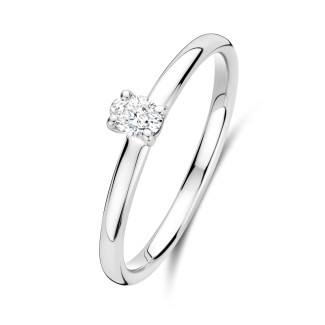

Pure gold is too soft for jewellery. It is therefore combined with other precious metals.

Purple gold: visually stunning, but fragile
However, neither electrum nor purple or blue gold have the classic, luxurious appearance of yellow gold, white gold or red gold. Therefore, you will not find them with jewellers who put quality first.

Where does gold come from?
Gold ore is processed to extract the gold.

Check out this platinum designer bracelet with 3.32 ct. of diamonds in detail
A jewel in platinum is more expensive than one in gold
Read more about how exactly platinum and white gold differ.
Jewellery in precious metals such as white, yellow and red gold, or platinum? You can find them in all possible designs at BAUNAT. For men too, like in stylish cufflinks.

Silver is very popular in applied art.
The purity of silverware can be checked in the fine print.
Definitely not as rare as gold.
In choosing between white gold vs. silver, some people are faced with a difficult dilemma. However, we would rather recommend white gold. This alloy will be stronger than jewellery of pure silver.
Understanding purity and marks
Common markings you may see include 18K, 14K, 925 and 950 Pt. Variations exist by country or maker, but these stamps are a quick way to confirm metal content. In higher‑value items you may also find a maker’s mark and an assay office stamp, which add reassurance about authenticity.
Why these marks matter
Purity affects durability and behaviour in daily wear. Higher‑karat gold contains more pure gold and is softer, which can mean greater susceptibility to scratches but also richer colour. Lower karats include more alloying metals that increase strength. Platinum alloys marked 950 are dense and durable, and silver marked 925 is a common standard for everyday items.
Practical advice for buyers
Look for clear hallmarks on higher-value pieces and ask the seller for documentation or certificates when appropriate. Hallmarks are a useful first check; visual inspection and, if needed, professional assay or certification provide definitive proof. If you have sensitive skin, ask about the specific alloys used, since some alloying metals can affect hypoallergenic properties.
What is ruthenium?
It is a silver-coloured, hard metal that is mainly used in electronics. Ruthenium was discovered in the Russian Urals in 1844. Today, this precious metal is still mined the most there, besides North and South America.
Ruthenium is also used in jewellery. Ruthenium is added especially in platinum and palladium jewellery. This makes them a little more expensive, but also much sturdier.
What is osmium?
This precious metal has a blue grey colour and in powder form, it reacts very strongly with oxygen. As a result, it stinks (the word osmium is also derived from the Greek osmè, which means 'stench') and is also very toxic. So, not the kind of precious metal you want to wear in a ring around your fingers...
What is iridium?
This precious metal has a very high density, so it weighs relatively much. In industry, the metal is highly sought after for its hardness, durability and high melting temperature. It is rare in the earth's crust, but often found in meteorites. Like ruthenium, iridium is often used to make platinum firmer.

What is palladium?
What is rhodium?
Rhodium is a silver white (more white than silver), very hard metal, which is very rare. In nature it usually occurs mixed with gold, platinum or palladium. Filtering pure rhodium is an expensive, complicated process. Once again, most sites are located in the Russian Urals, and less than 25 tonnes are mined annually. By comparison, in 2018, the total global gold production was 3,260 tonnes. The favourable physical properties of this metal combined with its rarity makes this the most expensive precious metal in the world.
Rhodium is applied very thinly to white gold jewellery for the hardness and exceptional colour.
Other metals such as magnesium, copper or titanium are not precious metals.
Price, Rarity and Market Context
- Gold: the most liquid of the precious metals, widely traded as bullion and jewellery. Its market value per gram is typically welHow are precious metals classified?l above common industrial metals.
- Silver: more abundant than gold and cheaper per gram, but significant industrial demand keeps it actively traded.
- Platinum: rarer than gold in the earth’s crust; its price can be similar to or above gold depending on industrial use.
- Palladium: heavily used in industry; prices can swing and sometimes exceed those of platinum.
- Rhodium: extremely rare and valuable per gram, with tight supply and concentrated industrial demand.
- Iridium: among the rarest elements, valuable by mass and used in specialised industrial roles.
- Ruthenium: rarer than the bulk noble metals, used in focused industrial roles; prices are typically below rhodium and iridium.
- Osmium: scarce and largely unsuitable for jewellery because some oxide forms are reactive and difficult to handle; the market is small and specialised.
Rarity ranking (qualitative): rhodium and iridium sit at the top, followed by osmium and ruthenium, then palladium and platinum, with gold and silver relatively more abundant.
Liquidity differences: gold and silver have the deepest, most liquid markets and are traded internationally as bullion and coins. Platinum-group metals trade in smaller, specialised markets; rhodium and osmium, in particular, change hands in much narrower channels. For jewellery buyers this means the metal component of a piece can follow different market dynamics than the design or gemstone premium. Some PGMs can swing in price quickly, while gold and silver tend to be steadier and easier to buy or sell.
How are precious metals classified?
As you can see, you can choose between a wide range of metals, but some are more suitable for processing in jewellery than others. At BAUNAT, we resolutely go for gold and platinum, but at our tailored service, other metals are also perfectly possible. And which gem will you choose? For inspiration, look at this beautiful jewellery:
Have you found the jewel of your dreams? Order it online right away, or ask the BAUNAT experts for more information.
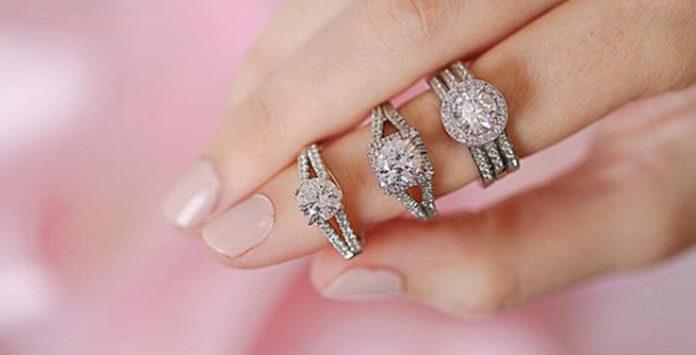
Which type of gold am I choosing? Or will I go for platinum?
Bullion, coins and investment considerations
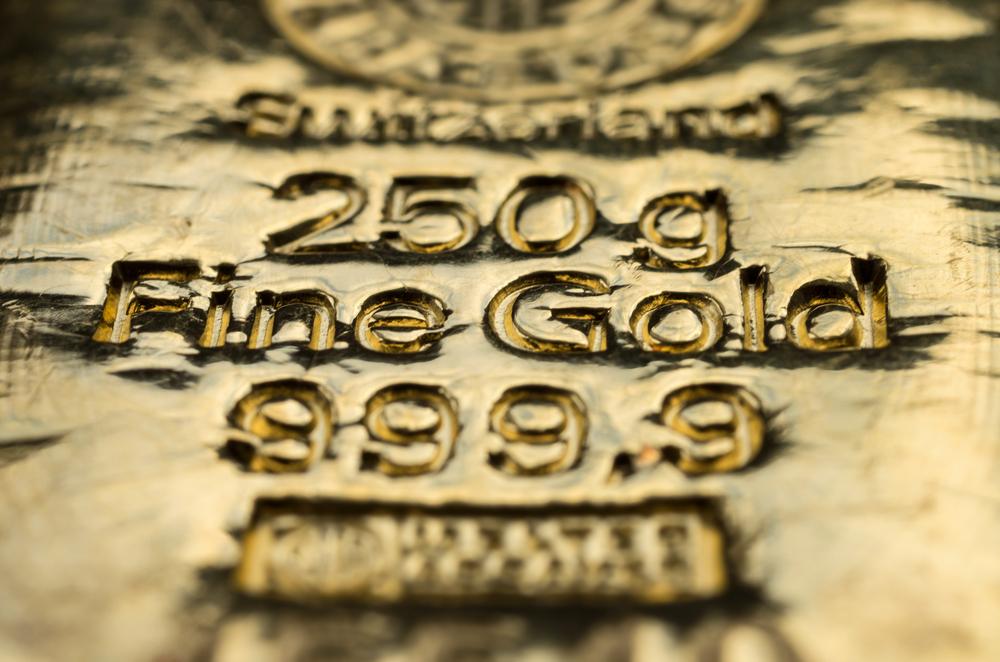
Popular bullion forms include one‑ounce gold and silver coins and cast or minted bars in a range of weights. Unlike handcrafted jewellery, bullion trades largely on metal weight and purity, with lower transaction spreads and easier resale in mainstream markets. Gold and silver are the most liquid bullion markets, supported by international exchanges and a broad dealer network.
Platinum‑group metals also appear in bullion form, but markets for rhodium, iridium and osmium are smaller and more specialised; selling these metals may require finding niche buyers or dealers. Liquidity differences mean that converting some PGMs to cash can be less straightforward than selling gold or silver.
A prudent approach
If you are considering metals for long‑term preservation of value, treat this separately from buying jewellery. Metals have different industrial and market drivers, and prices move with supply, demand and wider economic conditions. This is not financial advice; use purity standards and market liquidity as practical criteria when comparing bullion versus decorative purchases.
-
Sofie Kuppens
-
BAUNAT Antwerp
-
-
“Logistics Champion”, which is the title Sofie was awarded with in 2018, leads and supervises the processing of orders and logistics and closely working together with the BAUNAT order team. She strives to ensure maximum customer satisfaction by keeping our clients up to date in the production process and delivering on-time. To improve her product expertise even further, Sofie completed the Diamond Foundation Course by De Beers, which makes her a true diamond specialist.
Professional experience
BAUNAT Group N.V. - Logistics Champion & Order Team Lead (2016–present)
Sofie supervises processing of bespoke orders and coordinates logistics between production and customer service. She keeps clients informed during production, improves internal workflows to reduce variability in lead times, and helped introduce quality checkpoints that raised order accuracy and client satisfaction.
Customer Service & Production Coordinator, BAUNAT Antwerp (2012–2016)
Coordinated daily activity between ateliers and the orders desk, trained new staff to handle custom requests, and developed procedures for order tracking and client communication that strengthened after‑sales follow‑up.
Retail Sales Advisor, Fine Jewellery Boutique (2009–2012)
Advised clients on high‑end jewellery purchases, gained hands‑on experience with diamond grading basics, and refined consultation skills that inform her current role in bespoke order management.
Diamond Foundation Course, De Beers - Certified Graduate (2020)
Completed professional training in diamond properties and grading to deepen gemstone knowledge used in quality checks and client consultations.
Education & credentials
AP Hogeschool Antwerpen - Degree in Applied Business Management, marketing track. De Beers Diamond Foundation Course - Certified Graduate, 2020. Ongoing in‑house BAUNAT training in bespoke jewellery processes and customer experience.
Selected publications & courses
Diamond Foundation Course, De Beers, provider certification and practical grading sessions. BAUNAT blog articles by Sofie Kuppens on engagement ring selection, diamond care and jewellery trends, published on the BAUNAT site between 2023 and 2025. Internal BAUNAT workshops on order logistics and client communication.
Recent activity & perspectives
Unveiling the importance of Engagement Ring Insurance in the UK - "Insuring an engagement ring is not only about protection, it is about securing the emotional and financial value of a lifelong symbol." (12-07-2024, Gemstones)
Unlocking the Meaning Behind Your Engagement Ring's Gemstone - "A gemstone can carry sentiment and story; choosing the right stone means balancing personal meaning with lasting quality." (11-07-2024, Jewellery)
Mastering the Art of Wearing Asymmetrical Earrings - "Asymmetry offers a contemporary silhouette that allows each ear to tell part of a single, stylish story; the key is proportional balance." (04-07-2024, Earrings)
Choosing the right carat weight for your diamond earrings - "Visual impact depends on setting and cut as much as on carat weight; thoughtful design can maximise perceived sparkle without unnecessary size." (11-09-2024, Jewellery)
“Logistics Champion”, which is the title Sofie was awarded with in 2018, leads and supervises the processing of orders and logistics and closely working together with the BAUNAT order team. She strives to ensure maximum customer satisfaction by keeping our clients up to date in the production process and delivering on-time. To improve her product expertise even further, Sofie completed the Diamond Foundation Course by De Beers, which makes her a true diamond specialist.
Professional experience
BAUNAT Group N.V. - Logistics Champion & Order Team Lead (2016–present)
Sofie supervises processing of bespoke orders and coordinates logistics between production and customer service. She keeps clients informed during production, improves internal workflows to reduce variability in lead times, and helped introduce quality checkpoints that raised order accuracy and client satisfaction.
Customer Service & Production Coordinator, BAUNAT Antwerp (2012–2016)
Coordinated daily activity between ateliers and the orders desk, trained new staff to handle custom requests, and developed procedures for order tracking and client communication that strengthened after‑sales follow‑up.
Retail Sales Advisor, Fine Jewellery Boutique (2009–2012)
Advised clients on high‑end jewellery purchases, gained hands‑on experience with diamond grading basics, and refined consultation skills that inform her current role in bespoke order management.
Diamond Foundation Course, De Beers - Certified Graduate (2020)
Completed professional training in diamond properties and grading to deepen gemstone knowledge used in quality checks and client consultations.
Education & credentials
AP Hogeschool Antwerpen - Degree in Applied Business Management, marketing track. De Beers Diamond Foundation Course - Certified Graduate, 2020. Ongoing in‑house BAUNAT training in bespoke jewellery processes and customer experience.
Selected publications & courses
Diamond Foundation Course, De Beers, provider certification and practical grading sessions. BAUNAT blog articles by Sofie Kuppens on engagement ring selection, diamond care and jewellery trends, published on the BAUNAT site between 2023 and 2025. Internal BAUNAT workshops on order logistics and client communication.
Recent activity & perspectives
Unveiling the importance of Engagement Ring Insurance in the UK - "Insuring an engagement ring is not only about protection, it is about securing the emotional and financial value of a lifelong symbol." (12-07-2024, Gemstones)
Unlocking the Meaning Behind Your Engagement Ring's Gemstone - "A gemstone can carry sentiment and story; choosing the right stone means balancing personal meaning with lasting quality." (11-07-2024, Jewellery)
Mastering the Art of Wearing Asymmetrical Earrings - "Asymmetry offers a contemporary silhouette that allows each ear to tell part of a single, stylish story; the key is proportional balance." (04-07-2024, Earrings)
Choosing the right carat weight for your diamond earrings - "Visual impact depends on setting and cut as much as on carat weight; thoughtful design can maximise perceived sparkle without unnecessary size." (11-09-2024, Jewellery)