







How does light influence the brilliance of a diamond?
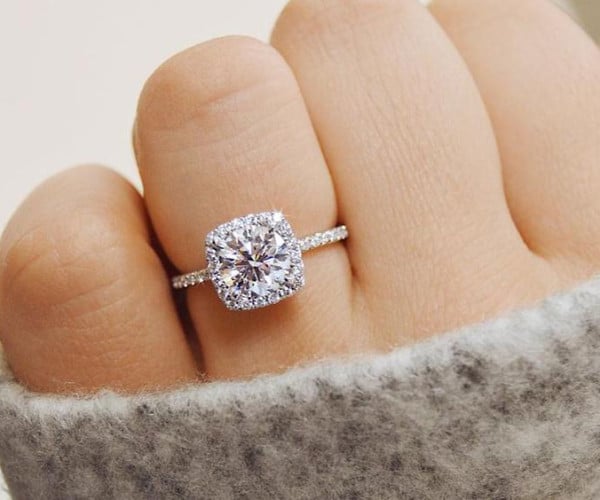
'Shine bright like a diamond'. It is an expression that can be interpreted in different ways, depending on the light source - under sunlight, candle light or artificial light - the diamond will ‘shine’ differently. This has proven the importance of how light affects the brilliance of a diamond.
Read summary
How does lighting affect a diamond's sparkle and brilliance?
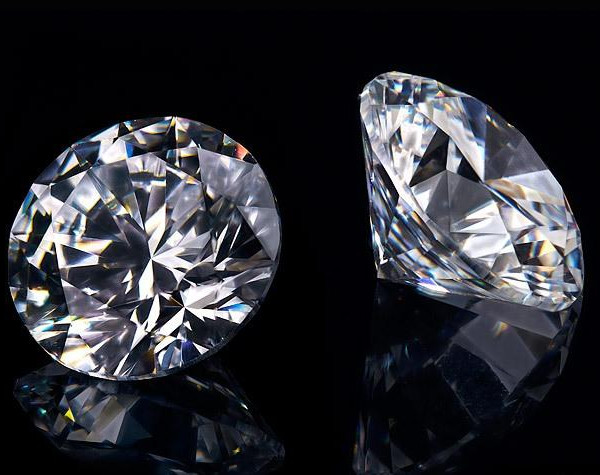
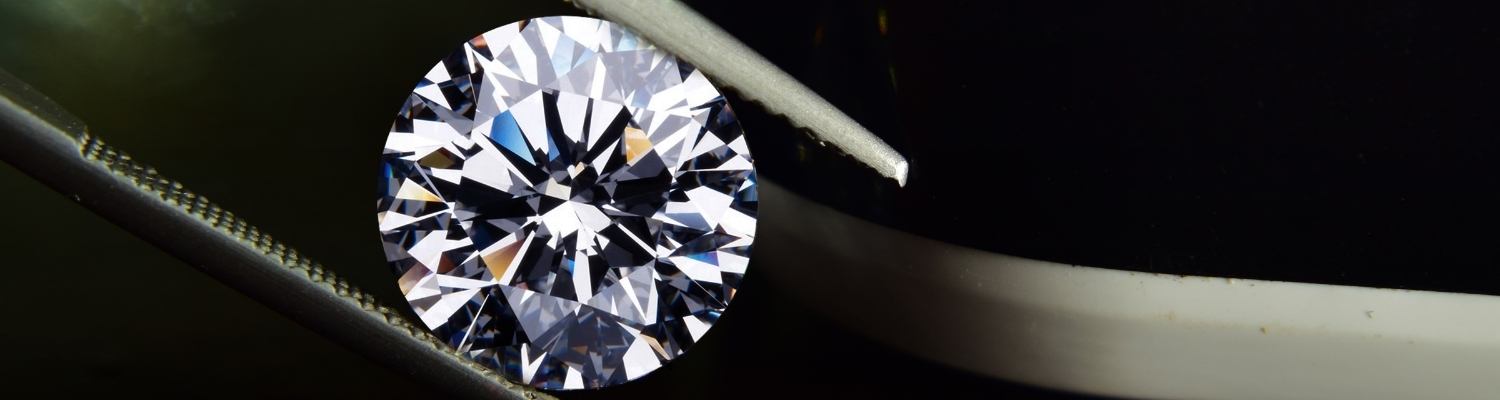
A diamond's legendary brilliance is deeply influenced by how light interacts with its facets. While the terms 'shape' and 'cut' are often confused, it's the cut quality that determines how well a diamond reflects light. A typical brilliant-cut diamond features 58 facets that act like tiny mirrors, creating a dazzling display of light reflection. This creates three key effects: brilliance (reflected white light), fire (scattered rainbow colors), and sparkle (the dynamic flashes when the diamond moves).
The same diamond can appear dramatically different under various light sources - sunlight, candlelight, or artificial lighting. When shopping for a diamond, it's wise to view it under different lighting conditions, particularly those matching when you'll wear it most. To maintain optimal brilliance, keep the facets clean, as they work best as pristine mirrors reflecting light.
Most viewed diamond jewels
-
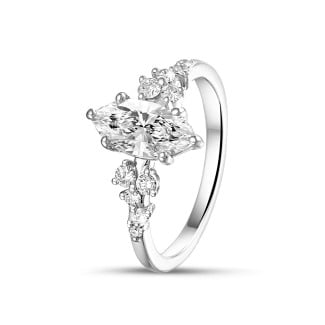
![1.00 carat solitaire cluster ring in white gold with marquise diamond]() BestsellerNew1.00 carat solitaire cluster ring in white gold with marquise diamondFrom USD 4.400,00 (excl. VAT)
BestsellerNew1.00 carat solitaire cluster ring in white gold with marquise diamondFrom USD 4.400,00 (excl. VAT) -
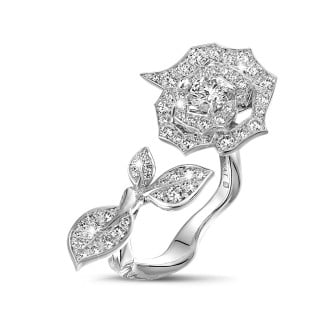
![0.95 carat diamond rose design ring in white gold]() NewPrincess Delphine0.95 carat diamond rose design ring in white goldFrom USD 16.000,00 (excl. VAT)
NewPrincess Delphine0.95 carat diamond rose design ring in white goldFrom USD 16.000,00 (excl. VAT) -
![1.00 carat solitaire ring with an asscher cut diamond in white gold]() Bestseller1.00 carat solitaire ring with an asscher cut diamond in white goldFrom USD 4.700,00 (excl. VAT)
Bestseller1.00 carat solitaire ring with an asscher cut diamond in white goldFrom USD 4.700,00 (excl. VAT) -
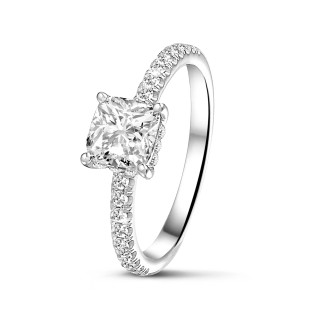
![1.00 carat solitaire ring with a cushion diamond and hidden halo in white gold]() BestsellerNew1.00 carat solitaire ring with a cushion diamond and hidden halo in white goldFrom USD 4.010,00 (excl. VAT)
BestsellerNew1.00 carat solitaire ring with a cushion diamond and hidden halo in white goldFrom USD 4.010,00 (excl. VAT) -
![0.15 carat solitaire ring with a oval cut diamond in white gold]() New0.15 carat solitaire ring with a oval cut diamond in white goldFrom USD 2.210,00 (excl. VAT)
New0.15 carat solitaire ring with a oval cut diamond in white goldFrom USD 2.210,00 (excl. VAT)

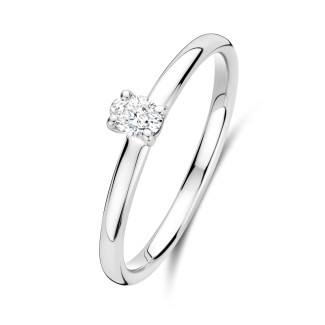
The concepts ‘shape’ and ‘cut’ are often used interchangeably. Simply explained: shape refers to the shape of the diamond and cut to the cut quality. A brilliant shape diamond has 58 facets or ' mirrors ' which reflect light and makes sure that the diamond shines beautifully. Out of the 4C’s (carat, color, clarity and cut), cut is the most complex and technically the most difficult. Therefore, craftsmanship is required. At BAUNAT we only work with diamonds from which the cut quality is at least ' Very Good '. The cut or grinding quality ensures that the light is being reflected nicely and gives the diamond its magnificent radiance and beauty. Every time the diamond moves, you will see a fascinating play of light and color. This symphony of reflected light is a combination of brilliance (the light reflected by a diamond), fire (the scattering of light in the colours of the spectrum) and sparkle (the pattern of light and dark areas, and the flashes of light when a diamond is being moved).
It is fascinating to see how the sight of a diamond can be changed by environment changes. If you are planning on buying a diamond, ask the jeweler to show them under different light conditions, so you can compare the brilliance in day, and in artificial light. Buy the diamond whose brilliance is at its best in the light condition in which you're going to wear the stone the most. After purchase, it is advisable to take care of the diamond the best way possible. Facets are as mirrors and shine best if they are clean.
How light behaves inside a diamond: reflection, refraction and dispersion
Light interacting with a diamond is what makes the stone look alive. People searching for phrases like "diamond reflecting light" usually want to know what creates the white flashes, rainbow colours and lively sparkles. Three physical effects explain those observations: reflection, refraction and dispersion. Each produces a distinct visual cue you can see for yourself.
Reflection is the easiest to picture. Some light never enters the stone but bounces off the surface facets like a mirror. That return of light creates the bright white flashes you notice when a diamond catches the eye. Strong white flashes in daylight are a sign of good brilliance and efficient light return.
Refraction happens when light passes from air into the denser diamond. The beam bends at the surface, travels through the internal facet structure, and is either redirected back out or lost through the pavilion. Facet angles determine whether light is steered back toward the viewer or leaks out the sides or bottom. A diamond with balanced proportions keeps most incoming light inside long enough to reflect it back, so the stone looks lively from many angles. Tilt the diamond slowly during inspection: if it seems to fade or lets bright streaks escape at certain angles, that can indicate light leakage from unfavourable internal paths.
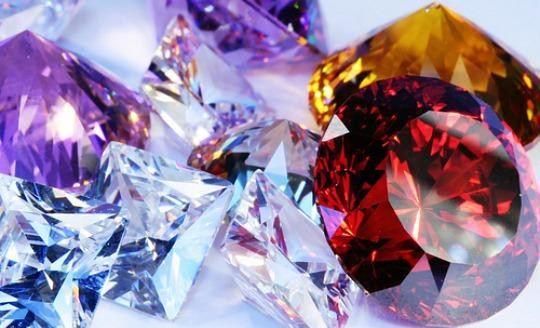
Dispersion is the splitting of white light into its component colours as it refracts inside the diamond. This effect produces the stone's fire: flashes of red, blue, green and violet that appear when the diamond or the light source moves. Dispersion does not create the overall white brightness but adds colourful contrast that makes a diamond visually engaging. If you see scattered rainbow flashes when moving the stone under a spotlight or candle light, that is strong dispersion.
Together, these three effects create the look of a well-cut diamond: white flashes from reflection, sustained brightness from well-directed refracted light, and colourful flashes from dispersion. When a jeweller shows diamonds, watch for these signs. A stone that balances clear white return with lively, but not overwhelming, colour flashes will look both brilliant and vibrant in everyday wear.
Which cut factors most affect sparkle
Not every aspect of the cut affects how a diamond handles light in the same way. Below are the proportional and finish variables that control light return, with practical cues to spot issues when you inspect a stone.
Facet symmetry
What it is: how well the individual facets align and mirror each other. How it affects light: good symmetry produces consistent internal light paths so flashes and patterns appear even across the stone. Poor symmetry can create irregular dark areas and uneven scintillation. Shopper cue: under steady light, move the diamond; uneven light-dark patterns often point to symmetry issues.
Polish
What it is: the smoothness of the facet surfaces after cutting. How it affects light: fine polish lets light pass and reflect cleanly; a poor polish scatters light and reduces the crispness of flashes. Shopper cue: facets should look sharp and mirror-like; a dull or frosted surface diminishes brilliance.
Taken together, these cutting factors decide whether a diamond returns light as vivid white brilliance, lively sparkle, or colourful fire. When comparing stones, focus on how the diamond behaves under movement and from different angles rather than on numbers alone. If proportions produce steady, even white return that is complemented by colourful flashes during movement, the cut is doing its job to maximise sparkle.
How different lights change a diamond's look
Different lighting highlights different aspects of a diamond. Keep the stone's brilliance in mind when you test so you choose one that performs best where you'll wear it most.
Typical lighting scenarios:
- Daylight: emphasises overall brilliance and true colour, giving a clear sense of how bright the stone looks in everyday wear.
- Office or fluorescent light: produces steady white return and can flatten colour contrasts; useful to see how the stone behaves in work settings.
- Evening or spotlight (warm, directional light): brings out fire and scintillation, making colourful flashes and dramatic sparkle more obvious.
- Candlelight or small point sources: ideal for judging dispersion; small, intense sources reveal colourful flashes most readily.
-
Fabienne Rauw
-
BAUNAT Antwerp
-


-
Fabienne, manager of the German market is able to guide every client with finding the right jewel. She takes care of most of the German orders, but also takes other task on her plate. Thanks to her six years of experience at BAUNAT she acquainted well with the product and the marketing around it. Her degree in PR ensures that BAUNAT is well presented across all media channels. For anyone looking into a new investment opportunity, Fabienne is the perfect guide in this process. No question will be left unanswered, and she will help you every step of the way.
Selected Bespoke Projects
• Eternal Bloom bespoke engagement concept - Role: project lead for client briefing and prototype coordination. Fabienne translated personal design references into a 3D-printed prototype, supervised stone selection and ensured the finished piece matched the client’s vision and comfort preferences.
• Personalized anniversary necklace - Role: design coordinator and quality overseer. She managed the custom design process from the initial sketch to final polishing, liaising between client and workshop to preserve proportions and finish.
• Reimagined heirloom ring restoration and redesign - Role: client consultant and technical coordinator. Fabienne guided the client through options to modernize setting details while keeping sentimental elements, delivering a wearable result that respected the original piece.
Her hands-on involvement in bespoke commissions ensures each custom order has a clear brief, careful prototype review and close follow-up with the workshop, so clients receive a tailored jewel that meets both aesthetic and practical expectations.
Professional enquiries
For speaking engagements, press requests or research collaborations, please send your message to BAUNAT’s communications team with the subject line: "Fabienne Rauw - Professional Enquiry." Include a brief description of the request and any relevant dates or documents. The communications team will route enquiries to Fabienne and provide guidance on next steps.
Fabienne, manager of the German market is able to guide every client with finding the right jewel. She takes care of most of the German orders, but also takes other task on her plate. Thanks to her six years of experience at BAUNAT she acquainted well with the product and the marketing around it. Her degree in PR ensures that BAUNAT is well presented across all media channels. For anyone looking into a new investment opportunity, Fabienne is the perfect guide in this process. No question will be left unanswered, and she will help you every step of the way.
Selected Bespoke Projects
• Eternal Bloom bespoke engagement concept - Role: project lead for client briefing and prototype coordination. Fabienne translated personal design references into a 3D-printed prototype, supervised stone selection and ensured the finished piece matched the client’s vision and comfort preferences.
• Personalized anniversary necklace - Role: design coordinator and quality overseer. She managed the custom design process from the initial sketch to final polishing, liaising between client and workshop to preserve proportions and finish.
• Reimagined heirloom ring restoration and redesign - Role: client consultant and technical coordinator. Fabienne guided the client through options to modernize setting details while keeping sentimental elements, delivering a wearable result that respected the original piece.
Her hands-on involvement in bespoke commissions ensures each custom order has a clear brief, careful prototype review and close follow-up with the workshop, so clients receive a tailored jewel that meets both aesthetic and practical expectations.
Professional enquiries
For speaking engagements, press requests or research collaborations, please send your message to BAUNAT’s communications team with the subject line: "Fabienne Rauw - Professional Enquiry." Include a brief description of the request and any relevant dates or documents. The communications team will route enquiries to Fabienne and provide guidance on next steps.