







Features:
-
Category:
-
Posted at:
-
Author:
- An Van Puyvelde
-
An Van Puyvelde - Order & Administration Manager
-


-
Reading time:11 minutes
In this article:
Wedding ring superstitions unveiled
From the moment a couple decides to unite their lives in matrimony, the wedding ring becomes a symbol of everlasting love and commitment. However, this elegant piece of jewellery carries with it a fascinating array of superstitions that have been passed down through generations. These beliefs, rooted in history and folklore, add an extra layer of mystique to the already significant ritual of exchanging rings.
Cultural and historical interpretations
Ancient origins: The use of rings as meaningful symbols goes back thousands of years. The Greeks and Romans associated the ring with a bond to the heart, while Egyptian examples often served as protective amulets. In several early societies the circle stood for eternity and contract; losing such an object could therefore be read as a rupture in a bond or protection.
Scandinavian examples: Scandinavian folklore shows varied readings. In some Swedish traditions dropping a ring during the ceremony was taken as the expulsion of evil, a cleansing action rather than a bad omen. Elsewhere in the region, an accidentally lost ring could be seen as troubling; interpretations tend to depend on local stories and the period in which they circulated.
Islamic and Middle Eastern views: In parts of the Islamic world and the Middle East, rings carry social and spiritual meanings beyond decoration. A lost or misplaced ring might prompt practical remedies and community support, and ritual responses often focus on repair or renewal of intention. Historical accounts show that amuletic uses of metal and stone sometimes shaped how loss was understood.
South Asian perspectives: Across South Asia, rings and other jewellery are closely tied to rites and family identity. Losing a wedding ring can be read in different ways: as a test of fortune, as a sign calling for protective measures, or simply as an occasion for family reassurance. Many regional stories emphasise collective and ritual responses rather than private superstition.
Modern Western variations: Contemporary Western readings mix older myths with present-day attitudes. In popular culture a lost engagement ring is often told as a sign of relationship trouble, yet many couples respond practically - searching, replacing or reframing the event as a life change. Social media amplifies both alarmist and consoling views, so meaning often depends on personal belief and context.
Read summary
What do wedding ring superstitions reveal about our cultural beliefs?
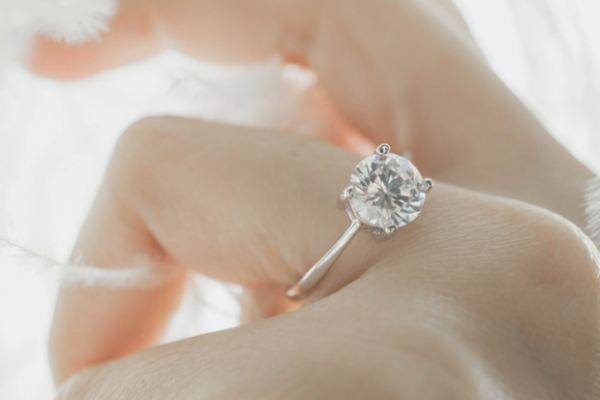
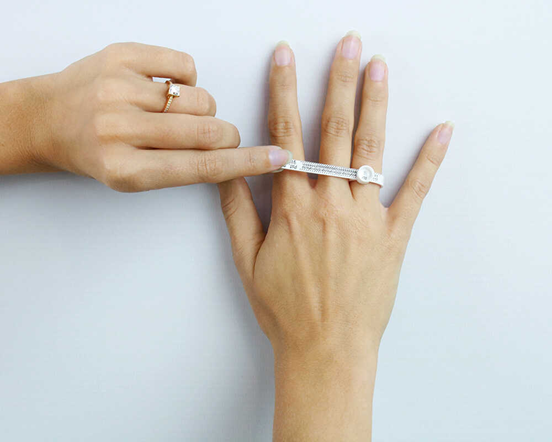
Wedding rings carry fascinating superstitions that add mystique to marriage traditions. Losing a wedding ring allegedly signals marital discord, while allowing others to try on your ring supposedly invites infidelity. Diamond rings are thought to keep passion alive, which may explain why Americans invest heavily in them. Even the ceremony has its beliefs—dropping the ring during vows spells trouble in most cultures, though Swedes see it as chasing away evil spirits. Ring fit matters too: a perfect fit suggests harmony, while too tight or loose rings might indicate jealousy or lack of commitment. Some even believe how easily the ring slides onto the finger determines who will dominate the relationship. These superstitions remind us that wedding rings are more than jewelry—they're symbols embedded with cultural meaning.

5 Questions to Find Her Perfect Engagement Ring
Are you planning to propose? Finding the right engagement ring is a defining step. Every ring is handcrafted in Antwerp from the finest materials by skilled artisans. Discover what engagement ring fits her personality.
Most viewed diamond jewels
-
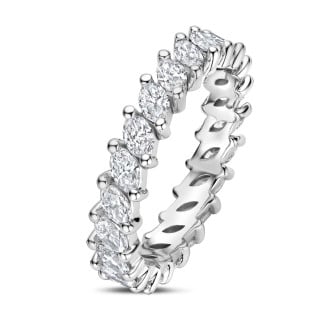
![1.75 carat full-set eternity ring with marquise cut diamonds in white gold]() Bestseller1.75 carat full-set eternity ring with marquise cut diamonds in white goldFrom USD 7.220,00 (excl. VAT)
Bestseller1.75 carat full-set eternity ring with marquise cut diamonds in white goldFrom USD 7.220,00 (excl. VAT) -
![0.26 carat half-set eternity ring in white gold - matches with all rings from the Fancy Shapes collection]() Bestseller0.26 carat half-set eternity ring in white gold - matches with all rings from the Fancy Shapes collectionFrom USD 2.760,00 (excl. VAT)
Bestseller0.26 carat half-set eternity ring in white gold - matches with all rings from the Fancy Shapes collectionFrom USD 2.760,00 (excl. VAT) -
![0.90 carat eternity ring (full set) in white gold with princess diamonds]() Bestseller0.90 carat eternity ring (full set) in white gold with princess diamondsFrom USD 3.770,00 (excl. VAT)
Bestseller0.90 carat eternity ring (full set) in white gold with princess diamondsFrom USD 3.770,00 (excl. VAT) -
![Stackable beaded ring in white gold]() Stackable beaded ring in white goldFrom USD 1.660,00 (excl. VAT)
Stackable beaded ring in white goldFrom USD 1.660,00 (excl. VAT) -
![0.22 carat half-set eternity ring in white gold - matches with specific rings from the BAUNAT Iconic collection]() Bestseller0.22 carat half-set eternity ring in white gold - matches with specific rings from the BAUNAT Iconic collectionFrom USD 3.050,00 (excl. VAT)
Bestseller0.22 carat half-set eternity ring in white gold - matches with specific rings from the BAUNAT Iconic collectionFrom USD 3.050,00 (excl. VAT)


The lost wedding ring superstition
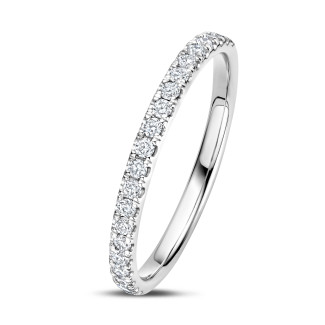
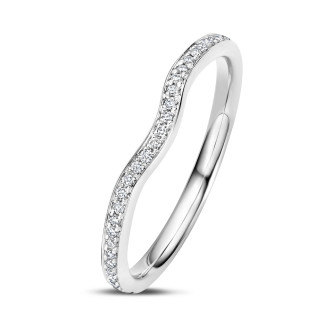
The superstition surrounding the loss of a wedding ring invokes a sense of apprehension, as it is often interpreted as an omen of discord within the marriage. Many believe that misplacing or losing this cherished symbol signifies impending strife or a weakening of the marital bond. This notion is deeply rooted in the symbolism of the ring itself; since it embodies commitment and unity, its absence can evoke feelings of insecurity and fear.
Couples are therefore advised to take extraordinary care in safeguarding their rings, as it is thought that such a loss not only disrupts the couple's harmony but may also invite misunderstandings and disharmony. Emphasising the importance of vigilance, this superstition serves as a poignant reminder of the delicate balance of love, trust, and commitment required to nurture a lasting union.
How to find a lost ring: practical steps
1) Immediately retrace your steps and mark the last known location: Pause for a moment and calmly reconstruct the moments before you noticed the ring was missing. Identify the last place you remember seeing it, the route you took afterwards and any activity that might have dislodged it. Marking that spot narrows the search and avoids spending time in unlikely places.
2) Conduct a grid search with good lighting and hand-sifting techniques: Begin at the last known location and work outwards in a clear, systematic pattern. Use a strong torch to cast low-angle light across surfaces; metal catches that light and is easier to spot. For soft ground, sand or gravel, wear gloves and sift material slowly by hand or with a fine mesh. Move methodically - many rings are found close to where they were lost.
3) Use household tools and know their limits: A powerful magnet can help only when ferrous metal is present; most engagement rings contain non-ferrous metals and will not respond. A portable vacuum with a stocking over the nozzle can trap small items without pulling them into the bag. Avoid aggressive digging or actions that could bury the ring deeper.
4) Call in specialised help when appropriate: If the ring is missing in a park, on a beach or across a large outdoor area, consider professional metal-detection services or local detectorist clubs with relevant experience. Inform venue management and municipal lost-and-found services where applicable. Be ready to describe the ring’s metal, stone shape and any distinctive features.
5) Use community channels and what to include in a post: Share a clear photo and a concise description in local social media groups, community apps or neighbourhood networks; state the last known location, the date and a secure contact method. Ask finders to message privately rather than comment publicly to protect privacy. Polite, brief posts with a photo improve the chance of a response.
6) Practical follow-ups and administrative steps: Notify nearby jewellers and second-hand outlets to alert them to the loss, and monitor local marketplaces for suspicious listings. If you suspect theft, report it to the police and keep any valuation or purchase documents to help identification and insurance steps. If the ring is insured, inform your insurer and have certificates or appraisals ready. Coping and support: Losing a ring can be upsetting beyond its material value. Allow time to process the emotion and ask friends or family for practical help during the search. If recovery seems unlikely, small acts of closure or sharing the experience with others often feel helpful and steadying.
Handing down wedding rings
The wedding ring of a woman must never be worn by any other person, especially not by another woman. Future wives should therefore pay attention to whom they entrust their diamond ring, as according to superstition, another person wearing or trying on your wedding ring will result in infidelity in the relationship.
The importance of a diamond
Psychological and symbolic interpretations
Why loss often coincides with stress or transition
People look for patterns, especially during times of stress or change. When a meaningful object goes missing at an emotionally charged moment, the mind seeks significance. Practical causes and timing often overlap: life transitions, lack of sleep, moving house or physical activity raise the chance of accidental loss, and the emotional reaction encourages symbolic readings.Broader symbolic meanings beyond infidelity
• Release of past attachments: For some, losing a ring can mark letting go of an earlier life chapter and openness to change.• Transition and new beginnings: The disappearance of a token may signal the end of one phase and the start of another.
• Protection fulfilled: In traditions where jewellery acts as an amulet, loss can be seen as the object having completed its protective role.
• Personal independence: For others the event indicates movement toward autonomy, a shift away from dependent patterns.
• Remembrance and reflection: Sometimes the absence becomes a prompt to re-evaluate priorities and commitments.
When it’s likely just an accident
Many losses have simple explanations: a loose fit, a worn or faulty clasp, physical activity that dislodges a ring, or being in a crowded or unfamiliar setting. In such cases practical responses - secure storage, having a professional check settings, and careful retracing - are more useful than reading omens. Calm, pragmatic steps reduce anxiety and usually lead to a clear outcome, whether recovery or a considered replacement.Dropping the wedding ring
Regardless of the belief, this moment often adds an unexpected twist to the ceremony, heightening the emotions of the day. Just remember, it’s not only awkward in front of a full church, but it also means you might have to dodge bad luck for the rest of your marriage!
Ring size and fit
The ring getting stuck
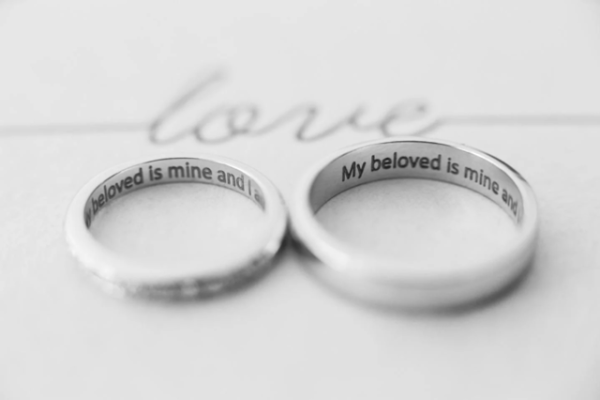
The power of engravings
Select your perfect wedding ring with BAUNAT
Explore our exquisite collection of diamond jewellery and find the perfect symbol of your eternal love.
-
An Van Puyvelde
-
An Van Puyvelde - Order & Administration Manager
-
-
An supervises BAUNAT’s order processing and logistics, working closely with the internal order team to ensure a seamless customer experience. She plays a key role in coordinating production timelines and maintaining clear communication with clients throughout the entire process. With a strong focus on precision and reliability, An is dedicated to delivering each piece on time while keeping customers fully informed, contributing to BAUNAT’s high standard of service and customer satisfaction.
An supervises BAUNAT’s order processing and logistics, working closely with the internal order team to ensure a seamless customer experience. She plays a key role in coordinating production timelines and maintaining clear communication with clients throughout the entire process. With a strong focus on precision and reliability, An is dedicated to delivering each piece on time while keeping customers fully informed, contributing to BAUNAT’s high standard of service and customer satisfaction.