







Features:
-
Category:
-
Posted at:
-
Author:
- An Van Puyvelde
-
An Van Puyvelde - Order & Administration Manager
-


-
Reading time:13 minutes
In this article:
- The ancient origins of wedding rings: from ancient Egypt to the Victorian Era
- Diamonds, monarchs and modern marketing: key dates that shaped engagement ring culture
- Their ever existing significance in different cultures nowadays
- Historic ring types and how they were used
- Superstition on the wedding day
- Why they’re worn on the left ring finger
- Modern trends in wedding rings
- Ethically sourced and sustainable materials
- Non-traditional metals
- Buying wedding rings without getting married
- Celebrate your love with a timeless symbol
The history of wedding rings and their significance today
Wedding rings have been a symbol of love, commitment, and eternity for millennia. From the ancient sands of Egypt to the bustling streets of the modern West, these small yet significant circles of metal have played a profound role in matrimonial traditions. Let's explore the rich history of wedding rings and their evolving significance today.
Read summary
How did wedding rings evolve from ancient traditions to modern symbols of love?
Wedding rings trace back to ancient Egypt around 3000 BCE, where circular rings made from reeds symbolized eternal love with no beginning or end. Romans later adopted this tradition using more durable materials like iron and gold, representing both love and a pledge of care.
The Victorian Era introduced ornate designs with diamonds, gemstones, and romantic motifs, setting trends that still influence today's styles.
While traditionally worn on the left ring finger (once believed to contain a vein connected directly to the heart), modern wedding rings reflect changing values. Today's couples often seek personalized designs, ethically sourced materials, and non-traditional metals like titanium or red gold.
Despite cultural variations in wedding traditions worldwide, the underlying symbolism remains constant – a tangible, enduring representation of commitment and unity in an increasingly digital world.
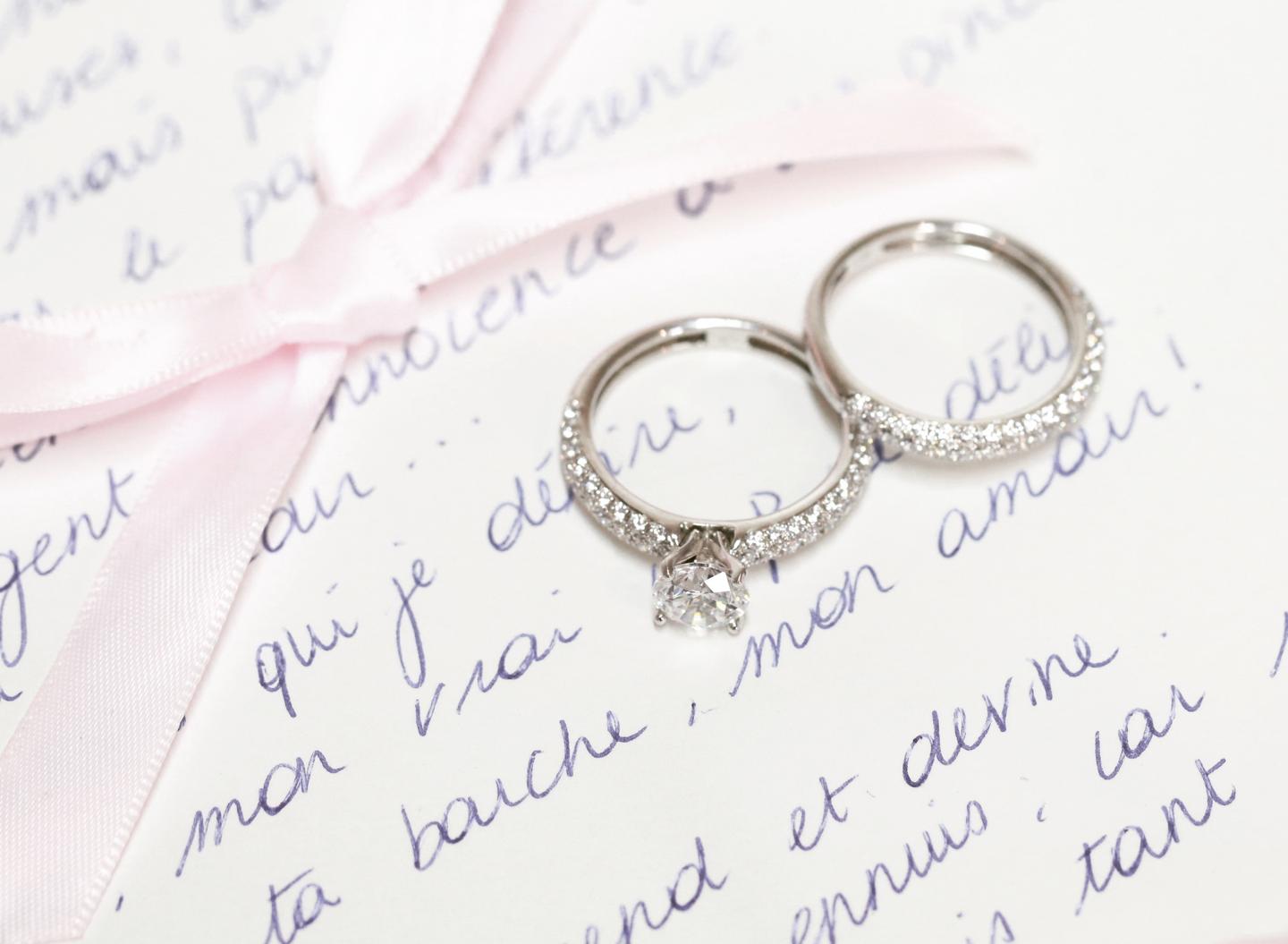
5 Questions to Find Her Perfect Engagement Ring
Are you planning to propose? Finding the right engagement ring is a defining step. Every ring is handcrafted in Antwerp from the finest materials by skilled artisans. Discover what engagement ring fits her personality.
Most viewed diamond jewels
-
![1.75 carat full-set eternity ring with marquise cut diamonds in white gold]() Bestseller1.75 carat full-set eternity ring with marquise cut diamonds in white goldFrom USD 7.220,00 (excl. VAT)
Bestseller1.75 carat full-set eternity ring with marquise cut diamonds in white goldFrom USD 7.220,00 (excl. VAT) -
![0.26 carat half-set eternity ring in white gold - matches with all rings from the Fancy Shapes collection]() Bestseller0.26 carat half-set eternity ring in white gold - matches with all rings from the Fancy Shapes collectionFrom USD 2.760,00 (excl. VAT)
Bestseller0.26 carat half-set eternity ring in white gold - matches with all rings from the Fancy Shapes collectionFrom USD 2.760,00 (excl. VAT) -
![0.90 carat eternity ring (full set) in white gold with princess diamonds]() Bestseller0.90 carat eternity ring (full set) in white gold with princess diamondsFrom USD 3.770,00 (excl. VAT)
Bestseller0.90 carat eternity ring (full set) in white gold with princess diamondsFrom USD 3.770,00 (excl. VAT) -
![Stackable beaded ring in white gold]() Stackable beaded ring in white goldFrom USD 1.660,00 (excl. VAT)
Stackable beaded ring in white goldFrom USD 1.660,00 (excl. VAT) -
![0.22 carat half-set eternity ring in white gold - matches with specific rings from the BAUNAT Iconic collection]() Bestseller0.22 carat half-set eternity ring in white gold - matches with specific rings from the BAUNAT Iconic collectionFrom USD 3.050,00 (excl. VAT)
Bestseller0.22 carat half-set eternity ring in white gold - matches with specific rings from the BAUNAT Iconic collectionFrom USD 3.050,00 (excl. VAT)
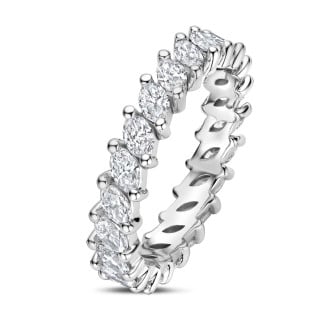


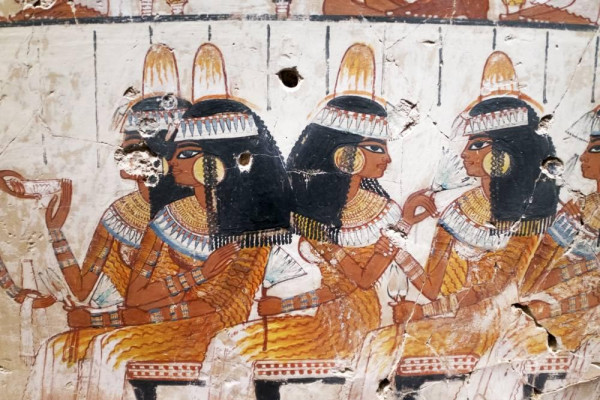
The ancient origins of wedding rings: from ancient Egypt to the Victorian Era
Diamonds, monarchs and modern marketing: key dates that shaped engagement ring culture
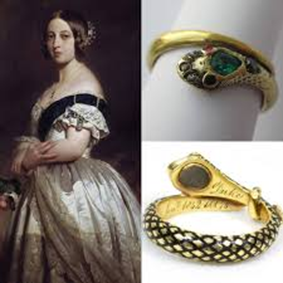
The use of diamonds in betrothal jewellery appears much later than the earliest wedding rings. One early documentary mention comes from a 1417 will that lists a diamond ring, which shows that by the late Middle Ages diamonds were prized tokens. A more widely cited moment occurred in 1477, when Archduke Maximilian of Austria gave Mary of Burgundy a diamond-set ring; contemporaries recorded the gift, and it became an example of a high-status diamond engagement present among European nobility.In the nineteenth century, the Victorian taste for ornate jewellery pushed diamonds further into romantic settings. Better cutting methods and a growing gemstone trade helped diamonds become central to engagement rings, while motifs such as intertwined hands and floral ornamentation made rings both personal and decorative.
The shift that made the diamond engagement ring common happened in the twentieth century. Social change after the world wars adjusted expectations about courtship and home life, and commercial marketing linked diamonds with lasting romance. A pivotal moment was the 1947 advertising campaign that introduced the slogan A Diamond Is Forever; it framed the diamond as a symbol of enduring love and helped make the diamond ring culturally desirable. Over the following decades more brides received diamond rings, reflecting both marketing and changing consumer choices. By associating the solitary diamond with lifelong commitment, twentieth-century campaigns reshaped how many couples mark an engagement and secured the diamond's central place in modern ring traditions.
Their ever existing significance in different cultures nowadays
Regional practices, double-ring ceremonies and men's ring-wearing history
Handedness and regional preference vary. In many Western countries such as the United States and the United Kingdom the left ring finger is the norm, while several European countries, including Russia, Poland, Germany and the Netherlands, more commonly use the right hand. These preferences reflect historical, religious or legal traditions rather than a single origin: for example, in some Orthodox Christian rites the right hand is preferred because of liturgical custom, while other communities keep the left-hand practice tied to older beliefs about the vena amoris.Ceremonial practice also differs between single and double-ring exchanges. Some cultures and denominations exchange only a bride's ring, reserving other symbols for the groom. Double-ring ceremonies, in which both partners receive bands during the service, are now common in many Western contexts. In other traditions a separate betrothal exchange precedes the wedding, so a ring given at betrothal serves a different role than the wedding band placed at marriage; this distinction shows how rings can mark stages of commitment rather than a single moment.
The history of men wearing wedding rings as a common practice is relatively recent. While men wore rings for centuries as status or signet jewellery, the modern custom of grooms regularly wearing wedding bands expanded during and after the Second World War. Soldiers often wore simple bands while deployed, and that habit carried into civilian life after the war, making the practice familiar in contemporary marriage customs.
These variations show that while the ring remains a widely recognised emblem of commitment, the ways it is used, which hand it is worn on, and whether both partners exchange rings are shaped by regional, religious and historical circumstances.
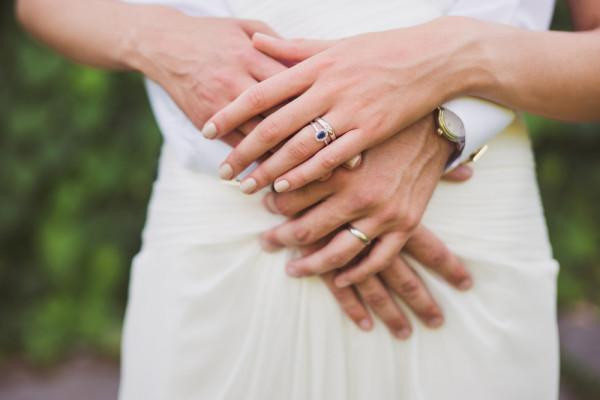
Wedding rings and superstition
“According to tradition you cannot make jokes about wedding rings or let them be worn by anyone else”
Historic ring types and how they were used
Poesy rings
Poesy rings are inscribed bands that became popular from the late medieval period into the Renaissance. Their name comes from the word poesy, meaning a short poem or motto. Lovers or husbands often engraved a line of verse, a pet name, or a devotional phrase on the inner or outer surface. These intimate inscriptions were personal tokens of affection and promise, commonly found in England and the Low Countries from the 15th to the 17th centuries.Gimmel or gimel rings
Gimmel rings consist of two or more interlocking bands that fit together to form a single ring. Originating in the late medieval and Renaissance periods, they were used in betrothal and marriage ceremonies: the separate bands could be exchanged between partners during the betrothal and then reunited at the wedding, symbolising the joining of two lives. The interlocking mechanism made the symbolism literal, and gimmel rings were sometimes worn by noble couples as status pieces.Fede rings
The fede, from the Italian mani in fede meaning hands in faith, shows two hands clasped in a pledge. This motif goes back to Roman and medieval examples and was widely used throughout the Middle Ages as a sign of trust and agreement. Fede rings served as engagement or promise rings, their simple imagery acting as a visual commitment long before elaborate gemstone settings became common.Claddagh rings
Originating in Ireland and associated with the village of Claddagh in County Galway, the Claddagh ring shows two hands holding a heart topped by a crown. Each element has meaning: hands for friendship, heart for love, crown for loyalty. The design became popular from the 17th century onward and remains a clear example of how local traditions supply lasting symbols for romance and marriage.Puzzle rings
Puzzle rings are made from several thin bands that interlock into one decorative ring. Legends claim they were used to test a spouse's fidelity because the ring falls apart when removed, but the historical appeal is more likely craftsmanship and novelty. Puzzle rings were known in the Ottoman world and later in Europe; they remain a mechanically clever type of ring that connects historical technique with modern curiosity.These named forms show how function and symbolism shaped ring design over centuries. From engraved poesy bands to mechanical puzzle rings, historic types continue to influence contemporary bespoke and traditional wedding jewellery.
Superstition on the wedding day
- Dropping the wedding rings: according to superstition, the bride and groom must take extra care when putting on the rings on the wedding day. A dropped ring will result in automatic discord in the marriage. According to other myths, the groom will be the first to die if he drops the ring.
- The wedding ring gets stuck on the finger: if the wedding ring doesn't slide all the way to the bottom of the woman's finger, then the woman will be dominant in the marriage. If the man manages to slide the ring onto his wife's finger easily, then he will probably be in charge.
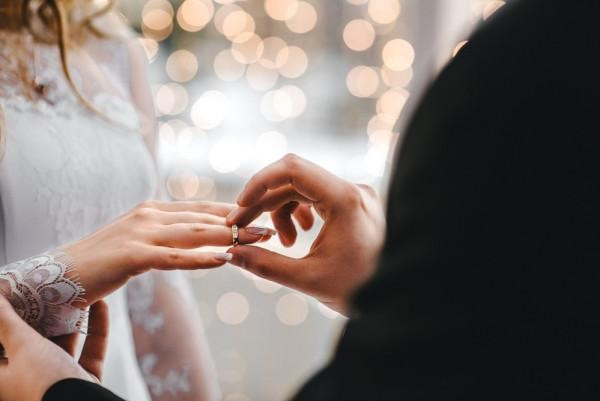
Why they’re worn on the left ring finger
Modern trends in wedding rings
Personalised and custom-designed rings
Ethically sourced and sustainable materials
Non-traditional metals
Buying wedding rings without getting married
Celebrate your love with a timeless symbol
Ready to find the perfect ring? Book a call with one of our expert stylists at BAUNAT to help you refine your style and choose the perfect piece to symbolise your eternal love.
-
An Van Puyvelde
-
An Van Puyvelde - Order & Administration Manager
-
-
An supervises BAUNAT’s order processing and logistics, working closely with the internal order team to ensure a seamless customer experience. She plays a key role in coordinating production timelines and maintaining clear communication with clients throughout the entire process. With a strong focus on precision and reliability, An is dedicated to delivering each piece on time while keeping customers fully informed, contributing to BAUNAT’s high standard of service and customer satisfaction.
An supervises BAUNAT’s order processing and logistics, working closely with the internal order team to ensure a seamless customer experience. She plays a key role in coordinating production timelines and maintaining clear communication with clients throughout the entire process. With a strong focus on precision and reliability, An is dedicated to delivering each piece on time while keeping customers fully informed, contributing to BAUNAT’s high standard of service and customer satisfaction.