







Features:
-
Posted at:
-
Author:
- Stephanie Hesters
-
BAUNAT Antwerp
-


-
Reading time:10 minutes
In this article:
How do you pick a wedding date?
How do you start planning your wedding? How long does it generally take to go from receiving your engagement ring to exchanging the wedding rings? Most couples spend about half a year to a year planning their wedding. But what should you keep in mind when determining your wedding date? Find our 5 tips below.
Read summary
How do you choose the perfect wedding date?
Planning a wedding typically takes 6-12 months, with international destinations requiring around 15 months of preparation. Before selecting a date, first secure your dream venue, as popular locations book up to a year in advance. Consider avoiding school holidays, exam periods, and extended weekends when guests might have prior commitments. While June through September remain the most popular wedding months, weather conditions and local holidays should factor into your decision, especially for destination weddings.
For a meaningful celebration, consider choosing a date with personal significance rather than commonly selected symbolic dates like Valentine's Day. Ultimately, the perfect wedding date is one that works best for you and your partner as you prepare to exchange those special golden rings.

5 Questions to Find Her Perfect Engagement Ring
Are you planning to propose? Finding the right engagement ring is a defining step. Every ring is handcrafted in Antwerp from the finest materials by skilled artisans. Discover what engagement ring fits her personality.
Most viewed diamond jewels
-
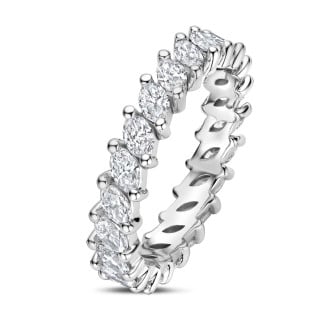
![1.75 carat full-set eternity ring with marquise cut diamonds in white gold]() Bestseller1.75 carat full-set eternity ring with marquise cut diamonds in white goldFrom USD 7.220,00 (excl. VAT)
Bestseller1.75 carat full-set eternity ring with marquise cut diamonds in white goldFrom USD 7.220,00 (excl. VAT) -
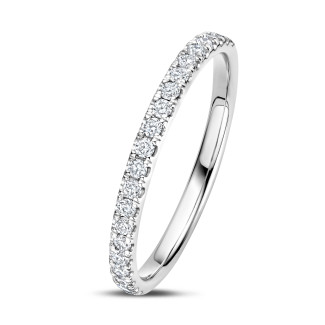
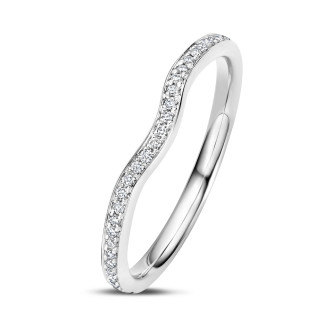
![0.26 carat half-set eternity ring in white gold - matches with all rings from the Fancy Shapes collection]() Bestseller0.26 carat half-set eternity ring in white gold - matches with all rings from the Fancy Shapes collectionFrom USD 2.760,00 (excl. VAT)
Bestseller0.26 carat half-set eternity ring in white gold - matches with all rings from the Fancy Shapes collectionFrom USD 2.760,00 (excl. VAT) -
![0.90 carat eternity ring (full set) in white gold with princess diamonds]() Bestseller0.90 carat eternity ring (full set) in white gold with princess diamondsFrom USD 3.770,00 (excl. VAT)
Bestseller0.90 carat eternity ring (full set) in white gold with princess diamondsFrom USD 3.770,00 (excl. VAT) -
![Stackable beaded ring in white gold]() Stackable beaded ring in white goldFrom USD 1.660,00 (excl. VAT)
Stackable beaded ring in white goldFrom USD 1.660,00 (excl. VAT) -
![0.22 carat half-set eternity ring in white gold - matches with specific rings from the BAUNAT Iconic collection]() Bestseller0.22 carat half-set eternity ring in white gold - matches with specific rings from the BAUNAT Iconic collectionFrom USD 3.050,00 (excl. VAT)
Bestseller0.22 carat half-set eternity ring in white gold - matches with specific rings from the BAUNAT Iconic collectionFrom USD 3.050,00 (excl. VAT)


Pick a wedding location first
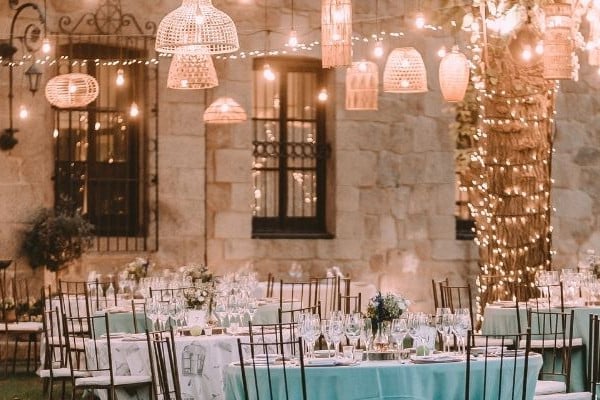
First determine in which season or around which month you would prefer to get married. Do you have a specific wedding location or ballroom in mind? Be sure to contact them and check their availability during that period. You will be amazed how many locations are already fully booked a year in advance.
Month-by-month & seasonal considerations
Why the month matters: the time of year affects weather, vendor demand, travel for guests and which venues are realistic. Use the notes below to match practical constraints to the style of celebration you want.
Seasonal checklist
- Spring (Mar–May): Arrange outdoor backup plans for rain, ask florists about seasonal blooms and confirm heating or ventilation for mixed indoor–outdoor setups. Be mindful of Easter and local spring breaks when many people travel.
- Summer (Jun–Aug): Contact popular venues and photographers early as weekends fill fast. Plan cooling or shade solutions for hot climates and check travel options for guests coming from abroad. Expect higher weekend demand.
- Autumn (Sep–Nov): Check whether venues can switch smoothly from outdoors to indoors as temperatures drop, coordinate colour palettes with seasonal foliage and watch for local harvest events that might affect accommodation.
- Winter (Dec–Feb): Prioritise indoor capacity and confirm vendor staffing over holiday periods. Prepare travel contingencies and check accessible transport options for older guests.
- Peak holiday windows: Don’t assume guests are free; many families plan holiday travel well in advance. If you keep a holiday weekend, set clear RSVP deadlines and give travel guidance.
- Off-season months: Use vendor flexibility to your advantage but verify a supplier’s experience with your chosen month - some do not work year-round in every region.
Notes for international readers: Seasons reverse in the southern hemisphere; check local climate patterns rather than relying on northern-hemisphere months.
Planning timeline tied to your date
- Secure your venue and date, then book key vendors such as photographer and caterer whose schedules fill quickly.
6 months out
- Finalise major details like the menu, transport and accommodation blocks for guests. Send a save-the-date if many guests need to travel.
3 months out
- Send formal invitations, confirm final guest numbers with the venue and vendors, and check arrival logistics for out-of-town guests.
1 month out and final checks
- Reconfirm timelines with all vendors, share final schedules with key guests and prepare contingency plans for weather or travel disruption.
Examples
- Summer destination example: For a Mediterranean beach wedding, secure the venue and accommodation blocks early, confirm airport or ferry transfers and arrange cooling measures for the reception.
- Winter city example: For a winter city ceremony, prioritise one comfortable indoor venue, confirm vendor winter availability and give clear directions and transit options for older guests.
Getting married abroad: legal & timing checklist
Legal requirements vary by country, so treat this as a practical checklist to prepare you for the steps most destinations require. Always verify final requirements with the local registry office, embassy or consulate.
- Verify legal status and documentation: confirm what the local registry requires. Commonly requested items include valid passports, full birth certificates and proof of marital status such as a certificate of no impediment or an affidavit. Make sure documents are original or certified copies if needed.
- Start document checks early: request any official documents you do not already have and check whether they need an apostille, translation or notarisation. Contact the relevant embassy or consulate to learn their document standards.
- Confirm residency or declaration requirements: some countries ask couples to register locally or to be present for a set period before the ceremony; others accept a declaration signed at a consulate. Ask the local registry how they handle foreign nationals.
- Coordinate with venue and local officiant: check whether the venue can host a legally recognised ceremony or whether a civil office appointment is required. Ask the venue and officiant which paperwork they will need and when it must be submitted.
- Timeline and vendor coordination: align travel plans, vendor bookings and any civil appointment well before the date. Factor in potential delays for document processing and for obtaining translations or apostilles.
- Travel and ring logistics: plan secure transport for rings and important documents, and confirm insurance coverage for travel and high-value items. Keep original documents and passports in a secure, easily reachable place during travel.
- Embassy/consulate and local contacts: note contact details for your embassy or consulate while you are abroad, and have a local contact or planner who understands both local rules and your home-country requirements.
Final note: this checklist is practical preparation, not legal advice. Rules differ by country, so always confirm each element with the relevant embassy, consulate or local registry well before booking non-refundable travel or supplier services.
Why is it better not to get married during holidays?
Getting married during school holidays or in an extended weekend can be more difficult. A lot of families with children book their trip months or even more than a year in advance, especially for the summer holidays. During that period, not all of your guests will be able to be present. Also try to keep (pre-)exam periods into account.
What about symbolic dates?
A white wedding dress, golden rings, doves... A wedding is bursting at the seams with symbolism. So why not get married on a symbolic date? Our tip: pick a date that is symbolic only to you, like the day you met each other or the day of your first kiss. If you would like to marry on a symbolic date such as Valentine’s Day, you are far from the only one…
What is the best month to get married in?
Although we just advised you to not receive your golden ring during the school holidays or during an exam period, the most popular months do seem to be June, July, August and September. The most important tip for picking your wedding date is to check your agendas and see which date looks best to you. That is when you can start the countdown until the big day!
Are you looking for the perfect golden ring to declare your eternal love? Discover the wide range of wedding rings from BAUNAT or contact our experts for extra advice and information.
Best month to get married: seasonal pros and cons
Choosing the best month for your wedding comes down to three practical factors: expected weather, your budget and vendor availability, and how easy it will be for your key guests to attend. Below is a seasonal breakdown with concise pros and cons and one-line scenarios to help you narrow down months that match your priorities.
Spring (March–May)
- Pros: Mild temperatures and fresh scenery, good for photos and outdoor ceremonies in many regions.
- Cons: Unpredictable showers and higher demand around Easter in some areas.
- Ideal for: Couples who want floral backdrops and prefer milder weather without summer heat.
Summer (June–August)
- Pros: Warmer, more predictable weather in many temperate places and longer daylight hours, which suit outdoor celebrations.
- Cons: Peak vendor demand and travel conflicts during popular holiday periods.
- Ideal for: Beach or long outdoor receptions and guests who prefer summer travel.
Autumn (September–November)
- Pros: Crisp air and rich colours, often better vendor availability than in summer.
- Cons: Shorter daylight and the chance of sudden weather shifts in some areas.
- Ideal for: Vineyard, rustic or foliage-focused weddings.
Winter (December–February)
- Pros: A cosy atmosphere and generally easier weekday or off-peak bookings with vendors.
- Cons: Cold weather limits outdoor options and major holidays can affect guest availability.
- Ideal for: Intimate indoor ceremonies, festive receptions or city-centre celebrations.
Peak holiday months (late December, mid-summer bank holidays)
- Pros: Festive mood and the possibility for guests to extend their stay.
- Cons: Many guests travel or have trips already planned, and venues often book early.
- Ideal for: Couples whose guests are mostly local or who want a holiday-themed celebration.
Off-season months (varies by region)
- Pros: More venue and vendor flexibility, and easier booking for preferred suppliers.
- Cons: Greater weather risk and possibly fewer travel options for guests.
- Ideal for: Couples who prioritise convenience and lower logistics stress.
Decision framework: choose for experience or choose for convenience and cost. If the atmosphere is your priority, pick a month that creates that atmosphere (for example, autumn for foliage or summer for the beach). If logistics are more important, focus on months with open venue calendars and easier travel for guests.
Recommended next step: shortlist two or three months that match your priorities, then check venue and key vendor availability for those months before locking in a date. Confirm availability with any must-have guests to avoid surprises and start planning from the confirmed month.
-
Stephanie Hesters
-
BAUNAT Antwerp
-
-
As the Head of Diamond Buying at BAUNAT, Stephanie has an extensive knowledge of the diamond and the evolution of diamond prices. Thanks to her broad product knowledge gained throughout her years at BAUNAT and the Diamond Foundation Course by De Beers, Stephanie advises our customers interested in the investment side of diamonds to optimize every investment. To support her skills she has a bachelor’s degree in Business Management together with her master’s in Communication.
About Stephanie Hesters (also known as Stephanie Lasters)
Stephanie Hesters, sometimes listed online as Stephanie Lasters, is Head of Diamond Buying at BAUNAT. She manages diamond sourcing and valuation, advises clients on market trends and pricing, and helps those looking for investment-grade stones. She completed the Diamond Foundation Course by De Beers and holds a bachelor’s degree in Business Management and a master’s in Communication.
Selected projects & collaborations
• Eternal Bloom Collection with Princess Delphine of Saxe-Coburg (2026), curator and project lead - guided creative direction and diamond selection for an exclusive collection that blends classical motifs with contemporary craftsmanship.
• Investment Diamonds Advisory Series (2024), author and presenter - developed client-facing guides and presentations on diamond valuation and market dynamics for private buyers and collectors.
• BAUNAT Editorial Features and Product Launches (2022–2025), contributor - worked with design and marketing teams to shape product narratives and ensure technical accuracy in launch materials and editorial content.
As the Head of Diamond Buying at BAUNAT, Stephanie has an extensive knowledge of the diamond and the evolution of diamond prices. Thanks to her broad product knowledge gained throughout her years at BAUNAT and the Diamond Foundation Course by De Beers, Stephanie advises our customers interested in the investment side of diamonds to optimize every investment. To support her skills she has a bachelor’s degree in Business Management together with her master’s in Communication.
About Stephanie Hesters (also known as Stephanie Lasters)
Stephanie Hesters, sometimes listed online as Stephanie Lasters, is Head of Diamond Buying at BAUNAT. She manages diamond sourcing and valuation, advises clients on market trends and pricing, and helps those looking for investment-grade stones. She completed the Diamond Foundation Course by De Beers and holds a bachelor’s degree in Business Management and a master’s in Communication.
Selected projects & collaborations
• Eternal Bloom Collection with Princess Delphine of Saxe-Coburg (2026), curator and project lead - guided creative direction and diamond selection for an exclusive collection that blends classical motifs with contemporary craftsmanship.
• Investment Diamonds Advisory Series (2024), author and presenter - developed client-facing guides and presentations on diamond valuation and market dynamics for private buyers and collectors.
• BAUNAT Editorial Features and Product Launches (2022–2025), contributor - worked with design and marketing teams to shape product narratives and ensure technical accuracy in launch materials and editorial content.