







Features:
-
Posted at:
-
Author:
- Stephanie Hesters
-
BAUNAT Antwerp
-


-
Reading time:14 minutes
In this article:
Wedding Ring Traditions: A Global Journey Through Marriage and Engagement Customs
Ever wondered about the intricate traditions surrounding engagement and wedding rings? From ancient customs to modern etiquette, these precious symbols of love carry fascinating stories and practices that vary across cultures and times.
Read summary
How do wedding ring traditions differ around the world?
From ancient Egypt to modern-day practices, wedding ring traditions showcase fascinating cultural diversity. The custom of wearing rings on the fourth finger stems from the ancient belief in the "vena amoris," a supposed vein connecting directly to the heart.
Traditional etiquette has the bride temporarily moving her engagement ring to her right hand during the ceremony before reuniting it with the new wedding band. However, contemporary couples increasingly personalize these traditions—women proposing, couples shopping together, and selecting unique styles rather than matching sets.
Cultural practices vary significantly: Germans wear engagement rings on the left but wedding bands on the right; Middle Eastern traditions distinguish between gold rings for brides and iron for grooms; Israeli customs favor simple, unadorned bands; and Hindu marriages include distinctive toe rings.
While traditions provide beautiful guidelines, today's couples often blend heritage with personal meaning—creating customs as unique as their relationships.

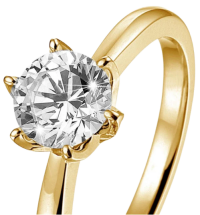
5 Questions to Find Her Perfect Engagement Ring
Are you planning to propose? Finding the right engagement ring is a defining step. Every ring is handcrafted in Antwerp from the finest materials by skilled artisans. Discover what engagement ring fits her personality.
Most viewed diamond jewels
-
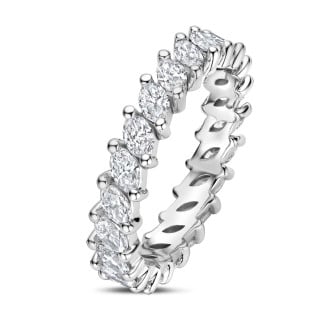
![1.75 carat full-set eternity ring with marquise cut diamonds in white gold]() Bestseller1.75 carat full-set eternity ring with marquise cut diamonds in white goldFrom USD 7.220,00 (excl. VAT)
Bestseller1.75 carat full-set eternity ring with marquise cut diamonds in white goldFrom USD 7.220,00 (excl. VAT) -
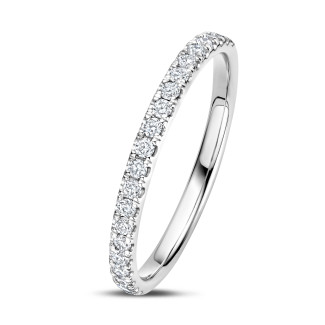
![0.26 carat half-set eternity ring in white gold - matches with all rings from the Fancy Shapes collection]() Bestseller0.26 carat half-set eternity ring in white gold - matches with all rings from the Fancy Shapes collectionFrom USD 2.760,00 (excl. VAT)
Bestseller0.26 carat half-set eternity ring in white gold - matches with all rings from the Fancy Shapes collectionFrom USD 2.760,00 (excl. VAT) -
![0.90 carat eternity ring (full set) in white gold with princess diamonds]() Bestseller0.90 carat eternity ring (full set) in white gold with princess diamondsFrom USD 3.770,00 (excl. VAT)
Bestseller0.90 carat eternity ring (full set) in white gold with princess diamondsFrom USD 3.770,00 (excl. VAT) -
![Stackable beaded ring in white gold]() Stackable beaded ring in white goldFrom USD 1.660,00 (excl. VAT)
Stackable beaded ring in white goldFrom USD 1.660,00 (excl. VAT) -
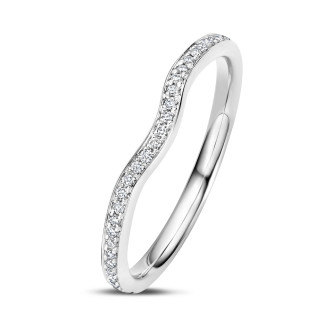
![0.22 carat half-set eternity ring in white gold - matches with specific rings from the BAUNAT Iconic collection]() Bestseller0.22 carat half-set eternity ring in white gold - matches with specific rings from the BAUNAT Iconic collectionFrom USD 3.050,00 (excl. VAT)
Bestseller0.22 carat half-set eternity ring in white gold - matches with specific rings from the BAUNAT Iconic collectionFrom USD 3.050,00 (excl. VAT)


The Ancient Connection: The Fourth Finger and the Heart
Historical ring styles: gimmel, poesy, fede, Claddagh and puzzle rings
Historical ring styles tell us how people used jewellery not only as decoration but as legal and emotional tokens. Named forms such as gimmel, poesy and fede rings carried clear commitments between partners, while regional designs like the Claddagh or the ingenious puzzle rings reveal both symbolism and craftsmanship. The short descriptions below highlight origin periods, where each was popular, how they looked, one notable anecdote, and whether each survives in modern jewellery.
Gimmel rings (16th–17th centuries, Northern Europe): Gimmel rings, from the Latin for "twin", are composed of two or three interlocking hoops that fit together to form a single band. Popular in the 1500s and 1600s across England and the Low Countries, they were used for betrothal and marriage: lovers exchanged separate hoops and reunited them at the wedding. Portraits and household inventories from Elizabethan England record sets with matching enamel or engraved mottos. Today jewellers sometimes echo the gimmel with interlocking bands for couples who prefer separate but connected rings; the original mechanical complexity is rarer, often simplified into paired designs.
Poesy rings (15th–17th centuries, Western Europe): Poesy rings, named after the French word for "poesy" or short verse, were engraved with short romantic inscriptions in Latin, French or the vernacular. They appeared in late medieval Europe and became common during the Renaissance as intimate betrothal gifts; typical engravings read like brief promises or mottos. One documented Tudor poesy ring carried a love line that appears repeatedly in contemporary letters. Modern makers sometimes revive the poesy idea by engraving personalised messages inside bands, preserving the private sentiment even when the form differs from its historical originals.
Fede rings (ancient origins to Renaissance, Mediterranean and Europe): Fede, from the Italian mani in fede meaning "hands in faith", features two clasped hands as its central motif. The style goes back to Roman times and resurfaced in medieval and Renaissance Italy as a pledge of trust, used in both betrothal and marriage. In some regions fede rings served as legal tokens; museum examples range from plain iron bands to elaborately carved gold. Today the clasped‑hands motif appears in sentimental pieces, though authentic medieval fede rings are mainly museum pieces or specialist reproductions.
Claddagh rings (17th century origin, Ireland): The Claddagh, with hands holding a crowned heart, originated in Galway in the 1600s and carries an intuitive code: how the ring is worn signals whether the wearer is single, engaged or married. Legend names a Galway goldsmith as the designer, and examples from later centuries surface in family heirlooms. Claddagh rings remain in regular use in Ireland and among the Irish abroad, offered as engagement or friendship rings and often passed down through families.
Puzzle rings (Ottoman origin, 17th–18th centuries, later Europe): Puzzle rings are made from multiple intertwined bands that lock into a single wearable ring; separated bands must be reassembled in the correct order. The form is usually traced to the Ottoman region and reached European collectors in the 1600s and 1700s. A persistent story says they were used to detect infidelity because a removed ring would be hard to reassemble; that story is probably apocryphal, but the mechanical cleverness captured popular imagination. Today puzzle rings survive as artisan pieces and novelties, prized for their technical challenge and their suggestion of partnership.
These named historical styles show how function, law and feeling shaped ring design across eras. From engraved vows to interlocking mechanisms and symbolic motifs, past forms continue to influence contemporary choices, whether through direct revival or subtle reference in bespoke jewellery.
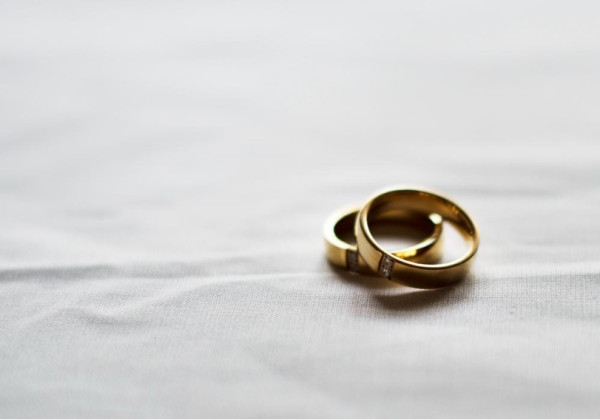
Wedding Day Ring Etiquette
Modern Engagement Ring Traditions
- Women increasingly take the initiative to propose
- Some couples choose their engagement rings together
- While colourless diamonds remain popular, coloured diamonds and precious stones like rubies and sapphires are gaining favour
- Wedding band selections have become more individualistic, with couples often choosing different styles that reflect their personal tastes rather than matching sets
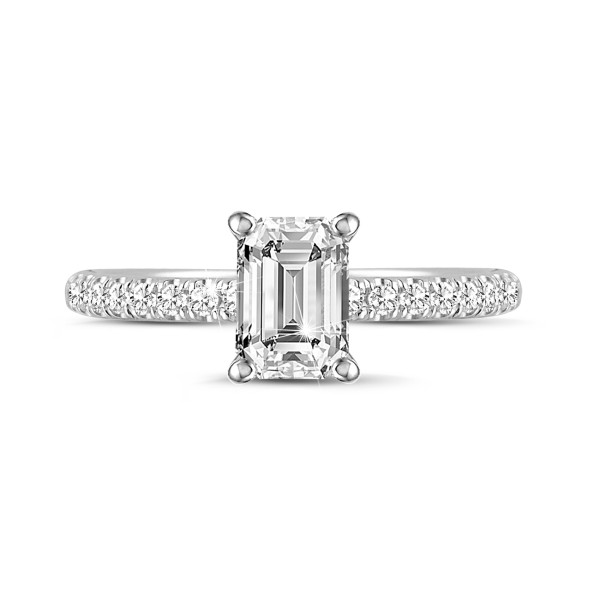
How diamonds became central
The result was a cultural shift: diamond solitaires moved from occasional aristocratic display to a common engagement gift in many Western markets. This helps explain why diamond rings became such a strong social signal, and why modern engagement culture differs from earlier centuries when rings of many materials and motifs served similar ceremonial roles.
Regional customs and unique symbols
India: Beyond engagement rings, the mangalsutra and bichiya carry concentrated cultural meaning. In many Hindu communities the groom ties a mangalsutra, a black‑and‑gold beaded necklace, during the ceremony to mark the bride’s married status. Bichiya, toe rings worn by married women in some regions, serve a long‑standing symbolic role tied to marital identity and local custom. These items are frequently worn daily and are integral to religious and social practice, so regional differences matter when discussing or gifting symbolic jewellery.
Russia and Eastern Europe: Interlocking or triple rolling rings feature in Russian jewellery, where three thin bands rotate independently but sit together as one unit. They are read symbolically as past, present and future or faith, hope and love. In practice they create visual movement and are popular as wedding bands; their mechanical nature also made them suitable keepsakes in cultures where ornate display was reserved for special occasions.
China: Traditional betrothal exchanges stress gifts and symbolic objects. In many Chinese weddings, gold jewellery with dragons, phoenixes or coin motifs signals prosperity and family blessing. Modern couples in urban areas increasingly choose Western‑style engagement rings, but gold bangles and pendants remain common at formal betrothal and gift ceremonies in traditional families.
Native American and Indigenous North American traditions: Silver and turquoise have spiritual importance in several Indigenous communities, especially among Southwestern tribes. Jewellery may carry clan symbols, protective motifs or stones chosen for their meaning. These pieces are often made by local silversmiths and worn as both personal adornment and cultural signifier; when engaging with these traditions, provenance and respectful sourcing are important. Netherlands, Germany and Nordic countries: Hand choice and ceremony practice vary across Northern Europe. In the Netherlands many Protestant couples historically wear wedding rings on the right hand, while in Germany engagement rings are often worn on the left and wedding rings moved to the right for the ceremony. Scandinavian countries show similar right/left variations, and contemporary couples adapt these customs according to family practice or preference.
Ireland and the Celtic nations: The Claddagh ring is an iconic Irish symbol, but broader Celtic traditions favour knotwork and interlaced motifs that represent unity and eternity. In some communities a ring may begin as a friendship token and later become an engagement or wedding ring; heirloom pieces are commonly reused across generations. Romania and parts of Eastern Europe: Anniversary and commemorative bands sometimes use silver rather than gold, reflecting local metal preferences and historical availability. In several regions silver rings mark milestone anniversaries or serve as practical tokens where gold was reserved for formal use.
United States and Canada: A mix of traditions coexists, shaped by immigrant customs and commercial influences. Diamond engagement rings remain common, but alternatives such as commitment tattoos, family heirlooms or culturally specific jewellery from immigrant communities also appear. Practical factors, like job type, often affect whether rings are worn continuously or kept for special occasions.
Each regional tradition frames marriage and commitment differently, using objects and rituals that reflect local values, materials and histories. When comparing customs, note which item is meant for daily wear, which appears only at ceremony, and whether the symbol functions as a legal token, a social marker or a private pledge.
Cultural Wedding Ring Traditions
European Wedding Ring Practices
Middle Eastern Wedding Rings Customs
Israeli Wedding Band Traditions
Hindu Ring Traditions
The Evolution of Ring Wearing
When men began wearing wedding rings
The habit of men wearing wedding bands is relatively recent. During large‑scale military mobilisations in the 20th century, particularly the Second World War, servicemen separated from their spouses adopted plain wedding bands as a steady reminder of home. After the war many veterans kept the practice in civilian life, and it gradually became widespread in places where men had not previously worn a ring. Over time men chose a range of styles - from simple hoops to textured or gem‑set bands - while workplace and safety concerns still influence whether rings are worn continuously. This wartime origin helps explain why men's rings are often plainer and more utilitarian in form than some historic ceremonial rings.
Whether choosing traditional diamond solitaires or contemporary designs with coloured stones, the most important aspect of both engagement and wedding rings remains unchanged - they symbolize eternal love and commitment between two people.
Remember, while traditions and etiquette provide beautiful guidelines, modern couples should feel free to wear their rings in whatever way feels most meaningful to them. After all, these precious symbols should reflect not just tradition, but also personal style and the unique nature of each relationship.
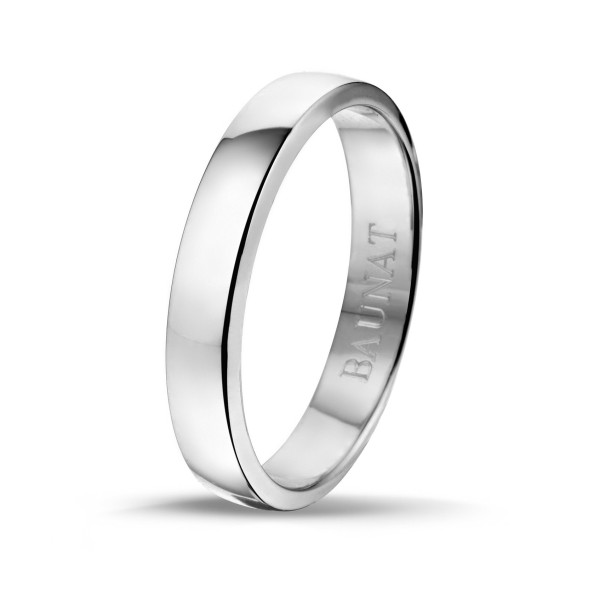
Cultural sensitivity when choosing symbolic jewellery
Cultural sensitivity when choosing symbolic jewellery When adopting motifs or rituals from another culture, respectful research matters. Learn the specific meaning of a symbol or object in its original context and, where possible, consult someone from that culture - an elder, family member or a knowledgeable maker. Avoid using sacred or religious symbols as mere decoration without understanding their significance, and be cautious about presenting culturally specific designs as trend accessories. For designers and buyers, provenance and maker attribution are practical steps: commission artisans who belong to the tradition or source authentic pieces rather than mass‑producing sacred motifs. When in doubt, ask permission before adapting a ceremonial item into a piece meant for everyday wear; a short conversation can prevent unintended offence and produce a design that honours its origin while remaining meaningful to the wearer.
-
Stephanie Hesters
-
BAUNAT Antwerp
-
-
As the Head of Diamond Buying at BAUNAT, Stephanie has an extensive knowledge of the diamond and the evolution of diamond prices. Thanks to her broad product knowledge gained throughout her years at BAUNAT and the Diamond Foundation Course by De Beers, Stephanie advises our customers interested in the investment side of diamonds to optimize every investment. To support her skills she has a bachelor’s degree in Business Management together with her master’s in Communication.
About Stephanie Hesters (also known as Stephanie Lasters)
Stephanie Hesters, sometimes listed online as Stephanie Lasters, is Head of Diamond Buying at BAUNAT. She manages diamond sourcing and valuation, advises clients on market trends and pricing, and helps those looking for investment-grade stones. She completed the Diamond Foundation Course by De Beers and holds a bachelor’s degree in Business Management and a master’s in Communication.
Selected projects & collaborations
• Eternal Bloom Collection with Princess Delphine of Saxe-Coburg (2026), curator and project lead - guided creative direction and diamond selection for an exclusive collection that blends classical motifs with contemporary craftsmanship.
• Investment Diamonds Advisory Series (2024), author and presenter - developed client-facing guides and presentations on diamond valuation and market dynamics for private buyers and collectors.
• BAUNAT Editorial Features and Product Launches (2022–2025), contributor - worked with design and marketing teams to shape product narratives and ensure technical accuracy in launch materials and editorial content.
As the Head of Diamond Buying at BAUNAT, Stephanie has an extensive knowledge of the diamond and the evolution of diamond prices. Thanks to her broad product knowledge gained throughout her years at BAUNAT and the Diamond Foundation Course by De Beers, Stephanie advises our customers interested in the investment side of diamonds to optimize every investment. To support her skills she has a bachelor’s degree in Business Management together with her master’s in Communication.
About Stephanie Hesters (also known as Stephanie Lasters)
Stephanie Hesters, sometimes listed online as Stephanie Lasters, is Head of Diamond Buying at BAUNAT. She manages diamond sourcing and valuation, advises clients on market trends and pricing, and helps those looking for investment-grade stones. She completed the Diamond Foundation Course by De Beers and holds a bachelor’s degree in Business Management and a master’s in Communication.
Selected projects & collaborations
• Eternal Bloom Collection with Princess Delphine of Saxe-Coburg (2026), curator and project lead - guided creative direction and diamond selection for an exclusive collection that blends classical motifs with contemporary craftsmanship.
• Investment Diamonds Advisory Series (2024), author and presenter - developed client-facing guides and presentations on diamond valuation and market dynamics for private buyers and collectors.
• BAUNAT Editorial Features and Product Launches (2022–2025), contributor - worked with design and marketing teams to shape product narratives and ensure technical accuracy in launch materials and editorial content.