







Features:
-
Category:
-
Posted at:
-
Author:
- Fabienne Rauw
-
BAUNAT Antwerp
-


-
Reading time:18 minutes
In this article:
- Diamond settings and metal choice
- How the cut’s shape affects the diamond setting
- Different types of diamond settings
- The prong setting
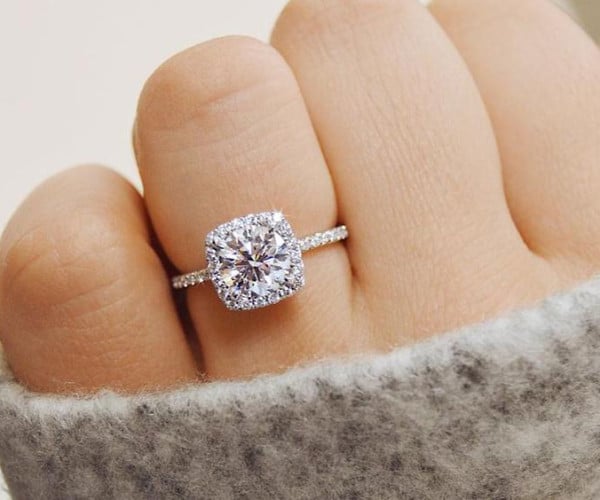
- The halo setting
- The case or bezel setting
- The half-case
- The cathedral setting
- The tension setting
- The channel setting
- The shared prongs setting
- The bar setting
- The pavé setting
- The French pavé
- Our recommendations in Bridal Jewellery
- Find out more about settings
- Frequently asked Questions
Types of diamond settings: A guide to selecting your perfect style
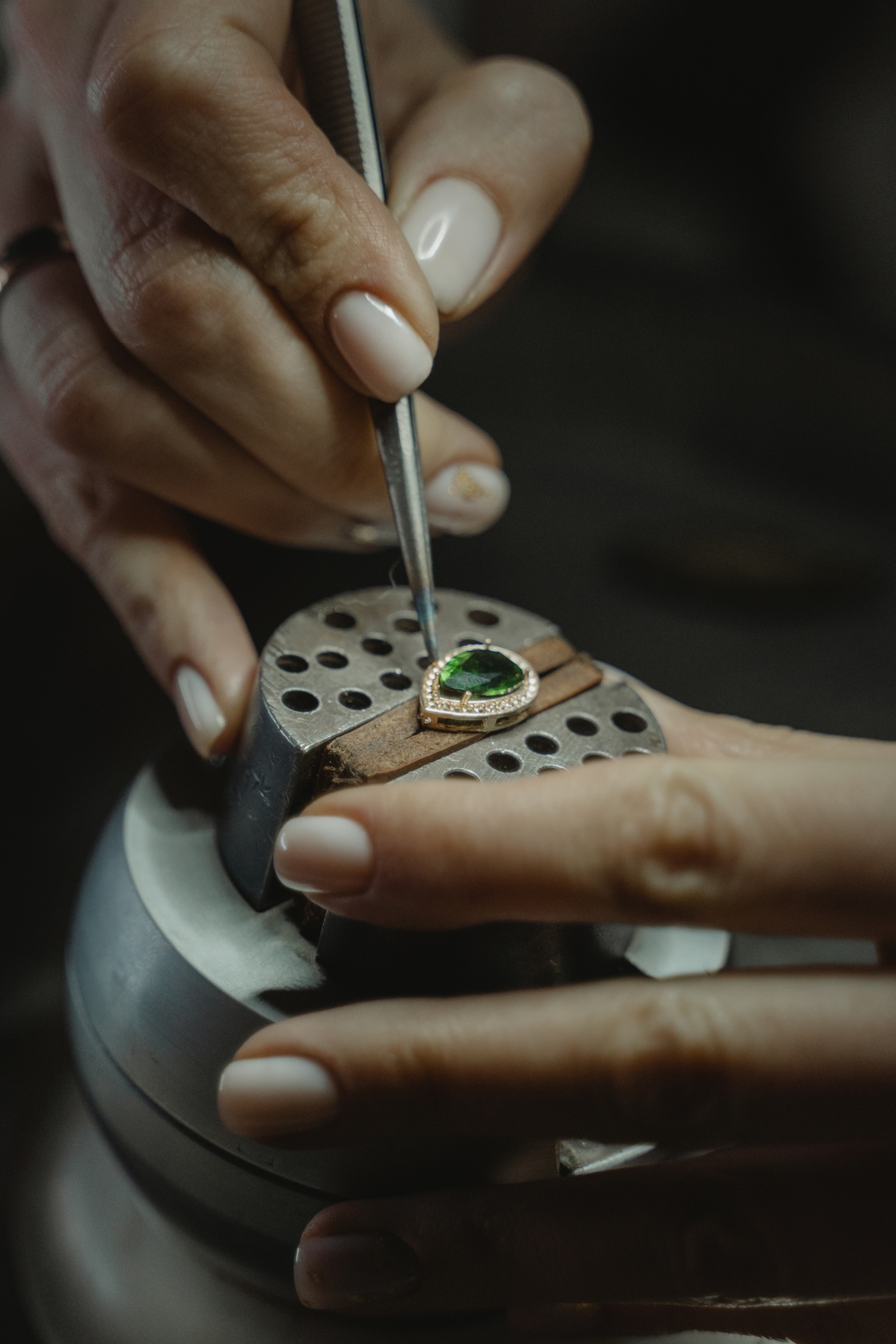
When choosing a diamond for an engagement ring or any piece of jewellery, the diamond setting—how the diamond is mounted onto the ring’s precious metal band—is just as important as the stone itself. The right setting not only enhances the diamond’s beauty but also plays a crucial role in its durability, appearance, and overall style. Whether you’re drawn to classic or modern designs, each setting type offers unique benefits, from maximising sparkle to providing added protection. In this guide, we’ll explore everything you need to know about diamond settings, including how metal choices, diamond shapes, and various setting options can help you find the perfect ring.
Read summary
What are the different types of diamond settings and their characteristics?
Diamond settings influence a ring's aesthetics, durability, and light reflection. Popular settings include the prong setting, which maximises brilliance and is often used in solitaire rings; the bezel setting, which offers extra protection and is ideal for everyday use; and the halo setting, which makes the central diamond appear larger through a circle of smaller diamonds. The cathedral setting raises the diamond for a dramatic effect, while the tension setting gives the impression that the diamond is floating, which requires high precision. Finally, there is the channel setting, where multiple diamonds are placed in metal channels for a smooth and secure finish. Choose the setting that best suits your style, durability requirements and the cut of the diamond.
Most viewed diamond jewels
-
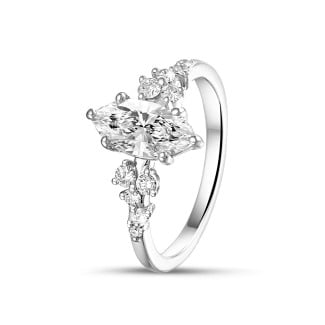
![1.00 carat solitaire cluster ring in white gold with marquise diamond]() BestsellerNew1.00 carat solitaire cluster ring in white gold with marquise diamondFrom USD 4.400,00 (excl. VAT)
BestsellerNew1.00 carat solitaire cluster ring in white gold with marquise diamondFrom USD 4.400,00 (excl. VAT) -
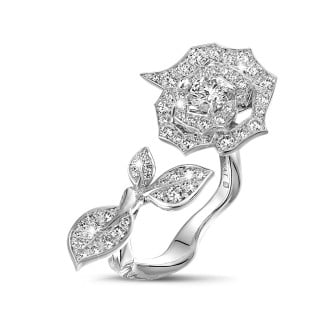
![0.95 carat diamond rose design ring in white gold]() NewPrincess Delphine0.95 carat diamond rose design ring in white goldFrom USD 16.000,00 (excl. VAT)
NewPrincess Delphine0.95 carat diamond rose design ring in white goldFrom USD 16.000,00 (excl. VAT) -
![1.00 carat solitaire ring with an asscher cut diamond in white gold]() Bestseller1.00 carat solitaire ring with an asscher cut diamond in white goldFrom USD 4.700,00 (excl. VAT)
Bestseller1.00 carat solitaire ring with an asscher cut diamond in white goldFrom USD 4.700,00 (excl. VAT) -
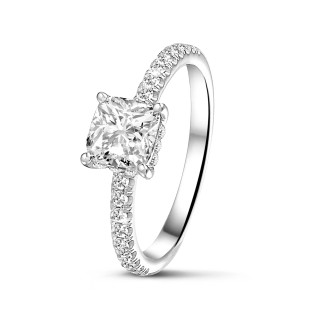
![1.00 carat solitaire ring with a cushion diamond and hidden halo in white gold]() BestsellerNew1.00 carat solitaire ring with a cushion diamond and hidden halo in white goldFrom USD 4.010,00 (excl. VAT)
BestsellerNew1.00 carat solitaire ring with a cushion diamond and hidden halo in white goldFrom USD 4.010,00 (excl. VAT) -
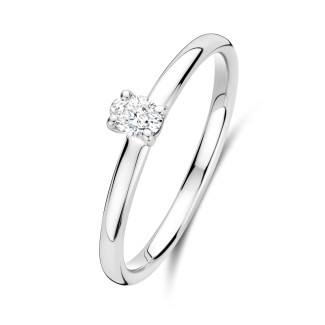
![0.15 carat solitaire ring with a oval cut diamond in white gold]() New0.15 carat solitaire ring with a oval cut diamond in white goldFrom USD 2.210,00 (excl. VAT)
New0.15 carat solitaire ring with a oval cut diamond in white goldFrom USD 2.210,00 (excl. VAT)

Diamond settings and metal choice
Diamond setting types refer to the methods used to mount diamonds onto a ring, playing a crucial role in defining the ring's style, durability, and sparkle. The choice of setting not only determines the visual appeal but also influences the diamond's protection and ease of maintenance.
Common setting materials
When it comes to the metals used in diamond settings, gold and platinum are the most popular choices due to their durability and aesthetic qualities:
- Platinum: Prized for its exceptional durability and hypoallergenic properties, platinum’s natural white lustre beautifully complements the diamond's brilliance, making it a timeless and elegant choice. Platinum settings offer a robust and secure mount for diamonds, ideal for those seeking both luxury and longevity.
Each metal interacts with diamonds in unique ways, affecting the overall look and style of the ring. Gold’s various tones can add warmth or a contemporary edge, while platinum’s resilience ensures the diamond remains the focal point. Each metal interacts with diamonds in unique ways, influencing the overall look and style of the ring. Gold’s various tones can add warmth or a contemporary edge, while platinum’s resilience ensures the diamond remains the focal point.
Considerations for Metal and Setting Choices
It’s essential to balance both aesthetic preferences and practical factors when choosing a diamond setting and metal. For example, if your priority is a modern, sleek look with enhanced brilliance, a white gold or platinum prong setting might be ideal. On the other hand, if durability and a classic appeal are more important, a bezel setting in platinum could be the best choice.
Now that we’ve covered how metal choices can influence your ring, let’s dive deeper into the different types of setting mounts to help you find the perfect match for your diamond.
How the cut’s shape affects the diamond setting
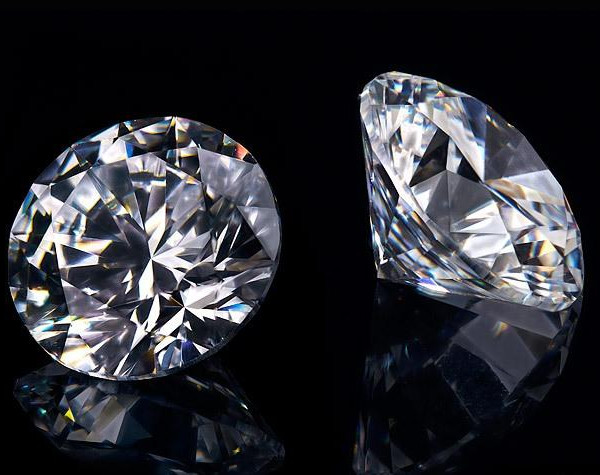
For instance, round cut diamonds are known for their exceptional brilliance due to their many facets, which reflect light beautifully. Open settings like prong or cathedral settings are ideal for round cuts, allowing maximum light to enter the diamond from all angles, making it sparkle brilliantly with every movement.
On the other hand, shapes like princess and emerald cuts have their own distinct characteristics. A princess cut, with its modern square shape and sharp corners, works well in settings that offer good protection, such as channel or bezel settings. These settings not only secure the diamond but also complement its angular appearance, giving it a contemporary edge while still allowing light to reflect beautifully.
Emerald cuts, characterised by their step-cut facets and large, open tables, exhibit a unique hall-of-mirrors effect rather than intense sparkle. Bezel settings can enhance the clean, elegant lines of an emerald cut by framing it in a way that highlights its sophisticated shape and understated brilliance. While these settings may slightly limit light from entering the diamond, they offer excellent protection, making them ideal for those who value durability alongside elegance.
To learn more about how different diamond shapes and the cutting process can influence your choice of setting, explore our guide on cutting a diamond.
Different types of diamond settings
There are plenty of diamond settings to choose from, but these are the most important:
- The prong setting
- The case or bezel setting
- The cathedral setting
- The tension setting
- The channel setting
- The pavé setting

A prong setting is not only used for rings, but is also easy to use with other jewellery, such as earrings.

With this setting it is also easy to substitute your central colourless diamond with a coloured gem, such as sapphire.

The half-case


The diamonds are also more susceptible to damage, and more dust and dirt will gather in this setting.

The ring’s outer surface is fairly flat and so it is also more secure. This setting can also be used on all kinds of jewellery, such as an eternity ring or trilogy ring.


The diamonds are set into a V-shaped groove with small beads on the prongs. As a result, more light passes through than with the normal pavé setting, so the diamonds sparkle more.
Our recommendations in Bridal Jewellery
Engagement Ring Settings
- Prong Setting: A classic choice with four to six prongs that hold the diamond, maximising light exposure for exceptional sparkle.
- Bezel Setting: Features a sleek metal rim that encircles the diamond, offering modern style and excellent protection—perfect for active wear.
- Halo Setting: Surrounds the centre diamond with smaller stones, adding extra sparkle and creating the illusion of a larger diamond.
Wedding Ring Options
- Channel Setting: Diamonds are set between two metal channels for a smooth, secure look without prongs—ideal for a sleek, polished style.
- Pavé Setting: Small diamonds are set closely together with minimal metal, creating a continuous, sparkling surface.
- Bar Setting: Diamonds are held between metal bars, allowing light to enter from the sides for added brilliance and a contemporary look.
Ultimately, the best setting for your bridal jewellery is one that aligns with your personal taste and lifestyle. If you’re unsure which option is right for you, our dedicated experts are here to help you make the perfect choice. Contact us to connect with our team and receive personalised guidance tailored to your needs.
Find out more about settings
Frequently asked Questions
Which material should I choose for my ring?
For the ring band, you should opt for high-quality precious metals, such as gold or platinum. They are beautiful, durable and suitable for almost everyone with sensitive skin or allergies. Diamonds - from a large solitary stone to a setting with various small diamonds - give the ring extra class and radiance. If you like colour, but coloured diamonds are a bit too pricey, then you're sure to find a gorgeous ring with a sapphire, ruby or emerald.
Can I create a tailor-made jewel?
- How can I design a customised piece of jewellery myself?
- How can I personalise an existing design from the BAUNAT collection?
We offer a wide range of exclusive diamond jewellery, from dazzling engagement rings to elegant bracelets and cool watches for men. You can choose between designs ranging from modern and trendy to traditional and elegant. If you don't quite find your taste among our offerings, you can still opt for customisation. Our craftsmen provide quality and affordable customised jewellery.
How can I design a customised piece of jewellery entirely by myself?
If you are creative or have a clear design in mind, you can come to us and work with our designers to create a customised piece of jewellery. So you can have a very personal engagement ring made that will surely have a lot of emotional value when you ask her the question. Or design a custom-made diamond locket for a special or festive occasion.
You can discuss this with our experts in one of our showrooms or send us your own (rough) sketch of your jewel. Or send us an image of the exclusive piece of jewellery on which you would like to base your design. In addition, we would like to receive the following information in order to prepare an offer for your customised piece of jewellery:
- An image or rough sketch of your design
- For a ring: the ring size
- Material: 18Kt white gold, 18Kt yellow gold, 18Kt red gold, 950 platinum
- The number, size(s) and quality of the diamond(s)
- Estimate of your budget
How the creation process of your tailor-made jewellery takes place:
1. From your idea to our best price and quotation
After you have sent us the necessary information, we will provide you with an offer for your custom-made jewellery. Because we buy our gemstones directly at the source and mainly work with online sales, we can guarantee the best price-quality. We also have a strict zero-tolerance on diamonds from conflict areas.
2. See your exclusive jewellery in advance thanks to 3D visualisation
After you have given us your approval on the offer and your payment has reached us, we start our sketching process. After one working week, you will receive an e-mail from us with the digital visualisation of your design. Using CAD software, we create a 3D model so that you can immediately imagine what your beautiful piece of jewellery will look like in reality.
3. Jewellery made by hand by craftsmen in Antwerp
After you have approved the 3D drawings, the real craftsmanship starts: our craftsmen make your exclusive piece of jewellery by hand using traditional methods. The precise craftsmanship ensures that your jewel can be personalised down to the smallest detail: from a unique diamond setting to engraving a name or symbolic word. After about three weeks, your beautiful piece of jewellery will be finished.
4. Enjoy your unique and precious custom-made piece of jewellery
Your exclusive piece of jewellery is completely unique and of top quality thanks to our expertise. Just like the jewellery in our collections, your made-to-measure piece of jewellery will be sent free of charge and insured. You will receive your jewellery in a high-quality BAUNAT packaging box.

How can I personalise an existing design from the BAUNAT collection?
We can also personalise the gemstone of your choice for you. You can contact us if you own loose diamonds and would like to incorporate them into a piece of jewellery. Or contact us if you have seen a beautiful design in our collection, but prefer a different gemstone.
This way, you can choose a higher quality and/or a larger diamond than the one in the jewel of your choice. Or let your exclusive piece of jewellery stand out even more with a coloured gemstone, such as a ruby, sapphire or emerald. We would like to receive the following information from you in order to be able to make an offer for your custom-made piece of jewellery:
- The specific design you have seen on the website (article code)
- Size of the diamond/precious stone
- Quality of the diamond/precious stone
- Other adjustments you wish to make
- Estimation of your budget
If you have your eye on a different cut, we will have to make some adjustments to the chaton or setting of the stone.
If you prefer to leave the creative thought process to us, our jewellers and BAUNAT experts will be happy to sit down with you and offer advice.
Would you like to learn more about our exclusive custom-made jewellery?
Request your personalized offer right away.
Learn more about the advantages of tailor-made jewellery.
What are the 4 C's, and what makes them important when buying diamonds?
The quality of diamonds is translated into the 4 C's:
- Carat – the weight of the diamond.
- Colour – a clearer diamond colour means higher quality.
- Clarity – fewer imperfections means the diamond reflects more light and sparkles more.
- Cut – refers to the proportions of the stone, the symmetry and the diamond brilliance.
The 4 C's not only provide verifiable information about the quality of your stone, they also make it possible to make your diamond traceable. When you are going to buy diamonds, you will always get a certificate that proves the value of your diamond.


-
Fabienne Rauw
-
BAUNAT Antwerp
-
-
Fabienne, manager of the German market is able to guide every client with finding the right jewel. She takes care of most of the German orders, but also takes other task on her plate. Thanks to her six years of experience at BAUNAT she acquainted well with the product and the marketing around it. Her degree in PR ensures that BAUNAT is well presented across all media channels. For anyone looking into a new investment opportunity, Fabienne is the perfect guide in this process. No question will be left unanswered, and she will help you every step of the way.
Selected Bespoke Projects
• Eternal Bloom bespoke engagement concept - Role: project lead for client briefing and prototype coordination. Fabienne translated personal design references into a 3D-printed prototype, supervised stone selection and ensured the finished piece matched the client’s vision and comfort preferences.
• Personalized anniversary necklace - Role: design coordinator and quality overseer. She managed the custom design process from the initial sketch to final polishing, liaising between client and workshop to preserve proportions and finish.
• Reimagined heirloom ring restoration and redesign - Role: client consultant and technical coordinator. Fabienne guided the client through options to modernize setting details while keeping sentimental elements, delivering a wearable result that respected the original piece.
Her hands-on involvement in bespoke commissions ensures each custom order has a clear brief, careful prototype review and close follow-up with the workshop, so clients receive a tailored jewel that meets both aesthetic and practical expectations.
Professional enquiries
For speaking engagements, press requests or research collaborations, please send your message to BAUNAT’s communications team with the subject line: "Fabienne Rauw - Professional Enquiry." Include a brief description of the request and any relevant dates or documents. The communications team will route enquiries to Fabienne and provide guidance on next steps.
Fabienne, manager of the German market is able to guide every client with finding the right jewel. She takes care of most of the German orders, but also takes other task on her plate. Thanks to her six years of experience at BAUNAT she acquainted well with the product and the marketing around it. Her degree in PR ensures that BAUNAT is well presented across all media channels. For anyone looking into a new investment opportunity, Fabienne is the perfect guide in this process. No question will be left unanswered, and she will help you every step of the way.
Selected Bespoke Projects
• Eternal Bloom bespoke engagement concept - Role: project lead for client briefing and prototype coordination. Fabienne translated personal design references into a 3D-printed prototype, supervised stone selection and ensured the finished piece matched the client’s vision and comfort preferences.
• Personalized anniversary necklace - Role: design coordinator and quality overseer. She managed the custom design process from the initial sketch to final polishing, liaising between client and workshop to preserve proportions and finish.
• Reimagined heirloom ring restoration and redesign - Role: client consultant and technical coordinator. Fabienne guided the client through options to modernize setting details while keeping sentimental elements, delivering a wearable result that respected the original piece.
Her hands-on involvement in bespoke commissions ensures each custom order has a clear brief, careful prototype review and close follow-up with the workshop, so clients receive a tailored jewel that meets both aesthetic and practical expectations.
Professional enquiries
For speaking engagements, press requests or research collaborations, please send your message to BAUNAT’s communications team with the subject line: "Fabienne Rauw - Professional Enquiry." Include a brief description of the request and any relevant dates or documents. The communications team will route enquiries to Fabienne and provide guidance on next steps.